2026 Best Slow Feeders for Digestion Issues

Time:2026-09-06 Author:Henry
0%

Many dogs and cats eat as though every meal might disappear. They gulp kibble, swallow air, and sometimes bring food back minutes later. This pattern can make mealtimes messy, stressful, and difficult to interpret.

The American Pet Products Association’s 2023–2024 National Pet Owners Survey estimates that 66% of U.S. households own a pet. That scale matters because feeding habits affect millions of companion animals. The Association for Pet Obesity Prevention has also reported that roughly 59% of dogs and 61% of cats are overweight or obese in the United States. Portion control remains essential. A slow feeder cannot replace it.

So, can slow feeders improve digestion issues? Sometimes, but the answer is not as simple as product packaging suggests. Veterinary nutritionists commonly recommend slower eating for pets that gulp meals, show mild post-meal regurgitation, or compete with other animals. Grooved bowls, lick mats, and puzzle feeders may extend eating time by several minutes. That extra time can reduce frantic swallowing and encourage more natural foraging behavior.

However, strong clinical evidence directly linking slow feeders with improved digestive disease is still limited. A pet that repeatedly vomits, loses weight, strains, develops diarrhea, or refuses food needs veterinary assessment. A bowl change should not delay diagnosis.

The best choice depends on muzzle shape, food type, cleaning habits, and temperament. Flat-faced breeds may struggle with deep ridges. Some anxious pets become frustrated. I have also seen owners mistake a slower meal for a healthier meal. It is not always true. This 2026 guide compares practical designs, safety details, and realistic benefits for digestion-sensitive pets.
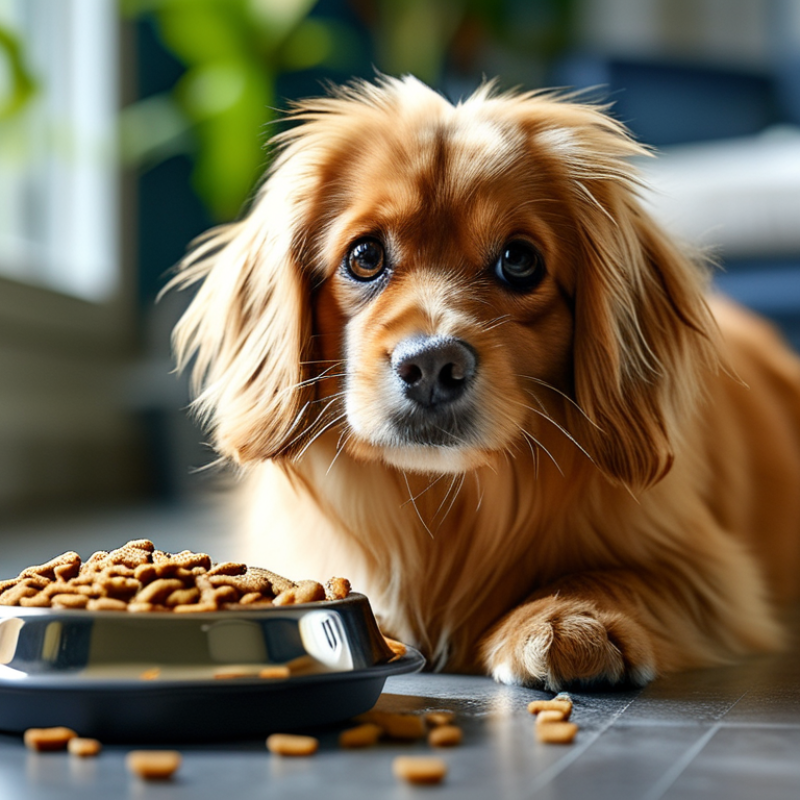
2026 Best Slow Feeders for Digestion Issues

How Slow Feeders Support Dogs With Digestion Issues

2026 Best Slow Feeders for Digestion Issues

Many dogs eat too quickly, then regurgitate food or develop uncomfortable gas. A slow feeder creates small barriers that encourage licking, nudging, and shorter bites. This slower pace may reduce swallowed air and help some dogs digest meals more comfortably. It is support, not a cure.

Choose a feeder with wide, shallow channels for a dog with a short muzzle. Deep grooves may cause frustration or strain. The bowl should stay stable while your dog works around each section. In my experience, starting with softened kibble makes the transition easier. Watch the first few meals. Some dogs become calmer, while others paw at the bowl or give up.

Clean the feeder after every wet meal. Food trapped in narrow corners can spoil quickly. Inspect it for cracks, sharp edges, or chewing damage. A veterinarian should assess repeated vomiting, diarrhea, weight loss, painful bloating, or appetite changes. These signs may involve allergies, parasites, dental pain, or other medical conditions. A slow feeder cannot address those causes.

Keep portions consistent and introduce the feeder gradually. Ten quiet minutes can be more useful than forcing a difficult puzzle. Even then, results vary. One dog may eat comfortably, while another becomes stressed. Reconsider the design, meal texture, and feeding routine when progress stalls.

Key Features to Consider When Choosing a Slow Feeder

Choosing the best slow feeder for digestion issues starts with your pet’s eating pattern, not its appearance. A bowl should reduce rapid swallowing without creating frustration. Look for shallow ridges, rounded channels, and enough spacing for comfortable tongue movement. Your pet should finish calmly, not paw at the bowl for twenty minutes.

Portion control also matters. The Association for Pet Obesity Prevention reported in 2022 that 59% of dogs and 61% of cats were overweight or obese in the United States. A slow feeder cannot correct excessive calories, but it can support measured meals and slower consumption. Choose a stable, non-slip base, dishwasher-safe construction, and a surface that does not trap wet food. Veterinary nutrition guidance from WSAVA also emphasizes complete diets, appropriate portions, and regular body-condition checks. A feeder is only one tool.

Tips: Start with an easy design and observe one meal. If your pet coughs, vomits, gives up, or shows stress, stop using it. A smaller portion may work better than a deeper maze. Clean grooves after every wet-food meal. Plastic can hold scratches, so replace damaged pieces. For pets with diagnosed reflux, dental pain, or swallowing problems, ask a veterinarian first. Evidence for slow feeders remains limited, and that limitation deserves honesty. The right design may help, but it is not a treatment.

Best Slow Feeder Types for Different Digestive Needs

2026 Best Slow Feeders for Digestion Issues

Best Slow Feeder Types for Different Digestive Needs

Dogs that gulp meals may swallow air, vomit, or develop uncomfortable bloating. A maze-style feeder can lengthen mealtimes for healthy, fast eaters. Choose wide channels rather than deep, narrow grooves. Deep designs can frustrate some dogs and make cleaning difficult. For wet food, a textured lick mat spreads food into thin layers. This encourages slower licking and may suit dogs with sensitive stomachs. However, some dogs chew silicone mats, so supervision matters.

Flat-faced dogs often need shallow, open patterns. Their short muzzles may struggle with deep bowls. Older dogs or pets with dental pain may prefer raised ridges instead of sharp barriers. A slow feeder should feel like a gentle challenge, not a daily obstacle. In practice, the “best” shape depends on eating speed, food texture, muzzle shape, and patience. I would not assume one design works for every digestive issue.

Tips: Start with one meal daily. Watch for coughing, frustration, or food guarding. Use warm water to soften dry food when appropriate. Clean every groove after feeding. If vomiting continues, ask a veterinarian, because a feeder cannot treat an underlying illness. My own preference is to adjust slowly, then observe stool quality, appetite, and energy for several days. Digestion can be unpredictable.

How to Introduce and Use a Slow Feeder Safely

2026 Best Slow Feeders for Digestion Issues

How to Introduce and Use a Slow Feeder Safely

A slow feeder may help pets that gulp food, swallow air, or vomit after meals. It is not a treatment for every digestive problem. Ask a veterinarian about repeated vomiting, weight loss, diarrhea, or painful bloating. These signs may need medical testing.

Choose a feeder with stable, rounded edges and shallow channels. Your pet should reach the food without pressing the nose or whiskers painfully. Start with one quarter of the meal in the feeder. Keep the remaining food in a plain bowl. This reduces frustration and lets you observe eating habits.

Go slowly. Increase the feeder portion over several meals if your pet remains calm. A meal should take longer, but it should not become a struggle. Watch for pawing, whining, dropped food, or refusal to eat. These reactions mean the design may be too difficult. I have seen owners focus on speed and overlook comfort. That is an easy mistake.

Use measured portions, not extra food to fill every gap. Place the feeder on a non-slip mat, especially on tile floors. Wash it after wet food and inspect grooves for residue. Clean water should remain available. If your pet eats too little, loses weight, or still regurgitates, stop using the feeder and contact a veterinary professional.

How to Introduce a Slow Feeder Safely

This evidence-informed transition schedule begins with a small portion of the meal in the feeder and increases gradually. Adjust the pace if your pet shows frustration, refuses food, vomits, coughs, or has difficulty breathing.

Serve the feeder on a stable, non-slip surface, use appropriately sized food pieces, supervise the first meals, and stop using it if your pet cannot eat comfortably. Pets with persistent digestive symptoms should be evaluated by a veterinarian.

Cleaning, Maintenance, and Replacement Guidelines

2026 Best Slow Feeders for Digestion Issues: Cleaning, Maintenance, and Replacement Guidelines

A slow feeder touches food, saliva, and sometimes stomach-sensitive leftovers. Clean it after every meal. The CDC recommends washing pet feeding items regularly to reduce contamination risks. FDA guidance also stresses handwashing after handling pet food and cleaning feeding equipment. These steps matter more when a dog leaves wet food inside narrow grooves.

Use warm water, mild unscented dish soap, and a dedicated brush. Inspect every channel, ridge, and underside. A soft toothbrush can reach stubborn residue. Rinse until no fragrance remains. Dry the feeder completely before refilling it. Moisture trapped beneath silicone or suction bases can create unpleasant odors. I once overlooked the bottom rim. It looked clean. It was not.

Replace the feeder when grooves become deeply scratched, warped, cracked, or permanently cloudy. Do not rely only on smell. A 2023 report from the American Pet Products Association estimated that 66% of U.S. households owned a pet, showing how widely feeding equipment is used. However, replacement timing depends on material, washing frequency, and chewing behavior. Review it monthly. Some manufacturers suggest dishwasher cleaning, but repeated high heat may weaken certain plastics or seals. Check the care instructions. When uncertain, replace the part that contacts food, even if the bowl still looks usable.

2026 Best Slow Feeders for Digestion Issues - Cleaning, Maintenance, and Replacement Guidelines

Feeder Type Best Use Case Estimated Eating-Speed Reduction Cleaning Method Routine Maintenance Recommended Replacement Signs Typical Service Life Overall Suitability
Raised-Maze Bowl Dogs that eat rapidly but do not aggressively chew or flip their bowl. Moderate to high; commonly extends meals by approximately 2–4 times compared with a standard bowl. Empty after each meal, rinse away food residue, then wash with warm water and mild dish soap. Use a soft brush around the maze channels. Check narrow channels for trapped food, oil buildup, and odor at least weekly. Allow the bowl to dry fully before refilling. Replace when cracks, sharp edges, deep scratches, loose sections, or permanent odor develop. Approximately 1–3 years, depending on material, cleaning method, and chewing behavior. High
Textured Silicone Mat Small meals, wet food, soft food, or dogs that need a flexible and low-height feeding surface. Low to moderate; usually slows licking and gathering rather than stopping forceful gulping. Rinse immediately after use and wash with mild soap. Many food-grade silicone mats are dishwasher-compatible; follow the product instructions. Lift the mat after every meal to clean underneath. Inspect folds and suction areas for trapped moisture or mold. Replace if the silicone becomes sticky, tears, loses its shape, develops persistent discoloration, or cannot be cleaned completely. Approximately 6–24 months, with shorter life if chewed or exposed to high heat frequently. High
Slow-Feed Insert Owners who want to slow meals while continuing to use a stable, familiar bowl. Moderate; effectiveness depends on the insert pattern, bowl fit, and food type. Remove the insert after each meal and wash all contact surfaces. Clean the bowl separately because food can collect beneath the insert. Confirm that the insert remains stable and does not block the dog from reaching food or water. Inspect attachment points regularly. Replace if it moves excessively, develops cracks, has exposed edges, or no longer fits securely inside the bowl. Approximately 1–2 years for durable materials; less if chewed or frequently dropped. High
Lick Mat with Shallow Grooves Dogs that eat wet food quickly, need enrichment, or benefit from spreading food over a larger area. Moderate to high for wet food; less effective for dry kibble unless the food is moistened or secured. Scrape off remaining food, rinse promptly, and wash grooves with a soft brush. Dishwasher use depends on the material and manufacturer instructions. Do not leave perishable food on the mat at room temperature for extended periods. Dry both sides completely after washing. Replace when grooves split, the surface becomes porous or sticky, or food residue remains after thorough washing. Approximately 6–18 months with regular use. High
Puzzle Feeder Healthy, food-motivated dogs that need mental stimulation in addition to slower eating. High; meal duration may increase substantially, but difficulty must match the dog’s ability. Disassemble removable parts and wash after every use. Use a narrow brush for compartments and rinse away all soap residue. Monitor for missing pieces, loose parts, and food trapped in enclosed sections. Supervise initial use to prevent chewing or frustration. Replace if parts break, become loose, create sharp edges, or are small enough to become a swallowing hazard. Approximately 1–3 years, depending on complexity and chewing behavior. Moderate to High
Slow-Feed Stainless-Steel Bowl Dogs needing a durable, non-porous feeding surface and a moderate obstacle pattern. Moderate; typically suitable for dogs that gulp food without destroying bowls. Wash with warm water and mild dish soap after every meal. Dry promptly to reduce water spots and residue around seams or bases. Inspect the rim, welds, underside, and non-slip base. Avoid abrasive cleaners that can damage the finish. Replace if the metal is deeply dented, the rim becomes sharp, welds separate, or the base traps moisture and cannot be cleaned. Approximately 3–8 years when properly maintained. High
Heavy Ceramic Slow-Feed Bowl Calm dogs that need a stable bowl and do not drop or move feeding equipment. Moderate; raised sections slow access but may not be suitable for every muzzle shape. Hand-wash or use a dishwasher only when the bowl is specifically rated for it. Check the underside and raised areas for food residue. Handle carefully and inspect after impacts. Keep the bowl on a dry, level surface to reduce sliding and chipping. Replace immediately after chips, cracks, glaze damage, or exposed ceramic appear because damaged surfaces can harbor bacteria or cause mouth injuries. Approximately 2–5 years if undamaged. Moderate
Frozen or Portion-Control Enrichment Tray Dogs that tolerate chilled food and benefit from meals divided into several small sections. Moderate to high, depending on food texture and freezing time. Thaw food before washing, rinse promptly, and clean every compartment with a soft brush. Avoid sudden temperature changes with rigid materials. Use measured portions and supervise chewing. Remove the tray if the dog begins biting or tearing the material. Replace if compartments split, the tray warps, edges become sharp, or small fragments can be detached. Approximately 6–24 months, depending on material and chewing intensity. Moderate to High
Elevated Slow Feeder Dogs that are more comfortable eating from a raised position, subject to veterinary guidance. Moderate; elevation itself does not reliably slow eating unless paired with a slow-feed design. Clean the bowl after every meal and wipe the stand daily. Pay special attention to feet, joints, and areas beneath the bowl. Check stand stability, fasteners, and bowl fit. Keep the feeding height comfortable and prevent tipping. Replace the bowl or stand if it rocks, cracks, corrodes, develops sharp edges, or cannot be securely assembled. Approximately 2–5 years, depending on construction and moisture exposure. Conditional

Safety note: Introduce any slow feeder gradually and supervise the first several meals. Choose an obstacle size that allows comfortable access without forcing the dog’s muzzle or jaw into tight spaces. Persistent vomiting, repeated regurgitation, abdominal swelling, pain, lethargy, or difficulty swallowing requires prompt veterinary attention.

FAQS

: How can a slow feeder help a dog that eats too quickly?

: Small barriers encourage licking, nudging, and shorter bites. Slower eating may reduce swallowed air and uncomfortable gas. It is support, not a cure.

Which feeder shape suits a short-muzzled dog?

Choose wide, shallow channels with open spaces. Deep grooves may cause frustration or muzzle strain. A flat pattern may work better.

What feeder works well with wet food?

A textured lick mat spreads wet food into thin layers. This encourages slower licking. Supervise dogs that chew silicone mats.

Should older dogs use a different design?

Older dogs or dogs with dental discomfort may prefer raised ridges. Avoid sharp barriers and difficult corners. The challenge should feel gentle.

How should I introduce a new slow feeder?

Begin with one meal daily. Keep portions consistent. Softened kibble may make the change easier. Watch the first few meals closely.

What signs show that the feeder is not suitable?

Watch for coughing, pawing, giving up, or food guarding. Stress matters. Try a simpler pattern, softer food, or a different routine.

How often should a slow feeder be cleaned?

Clean it after every wet meal. Food trapped in narrow grooves can spoil quickly. Inspect for cracks, sharp edges, and chewing damage.

When should a veterinarian assess digestive problems?

Seek veterinary advice for repeated vomiting, diarrhea, weight loss, painful bloating, or appetite changes. These signs may involve allergies, parasites, dental pain, or other conditions.

How long should a dog take to finish a meal?

There is no perfect time. Ten quiet minutes may be useful. Forcing a difficult puzzle can increase stress, though results vary.

What should I monitor after changing the feeder?

Observe stool quality, appetite, energy, and comfort for several days. Progress may stall. Reconsider the feeder design and meal texture.

Conclusion

Slow feeders can help dogs with digestion issues by encouraging smaller, slower bites instead of rapid gulping. This may reduce swallowed air, overeating, regurgitation, and stomach discomfort while supporting more controlled mealtimes. The answer to “can slow feeders improve digestion issues” is that they may support better eating habits, but they are not a cure for medical conditions. When choosing one, consider the dog’s size, eating style, food type, bowl shape, difficulty level, and material safety. Options may include maze-style bowls, lick mats, puzzle feeders, or adjustable designs for different digestive needs.

Introduce the feeder gradually, beginning with an easy pattern and supervising every meal. Make sure the dog can access food comfortably without excessive frustration, and stop use if stress or discomfort appears. Clean the feeder after regular use, inspect it for cracks or damage, and replace it when wear creates hygiene or safety concerns. Dogs with persistent vomiting, diarrhea, pain, bloating, or appetite changes should receive advice from a qualified veterinarian.

Henry

Henry

Henry is a dedicated marketing professional with a profound expertise in the company's offerings. With years of experience in the industry, he possesses an impressive understanding of the market dynamics and consumer behaviors that drive success. Henry is committed to sharing his insights through......