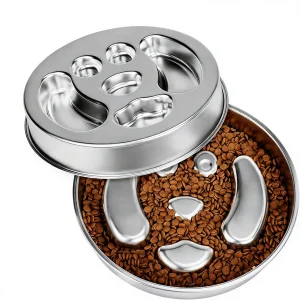
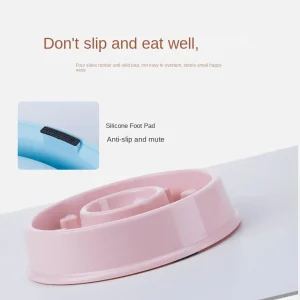
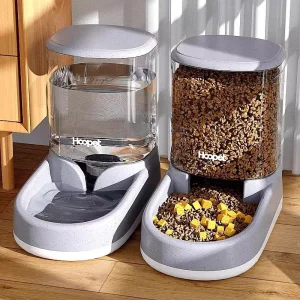
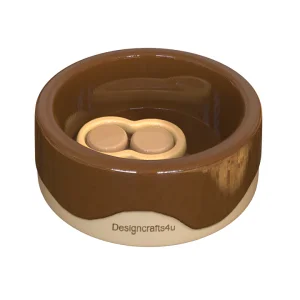
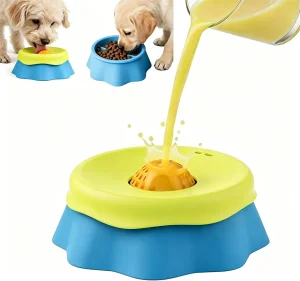
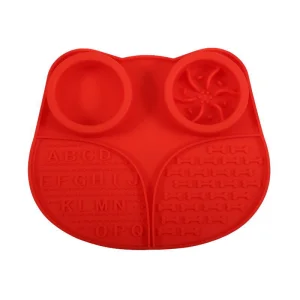
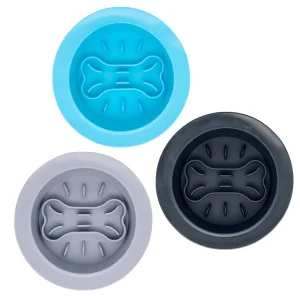
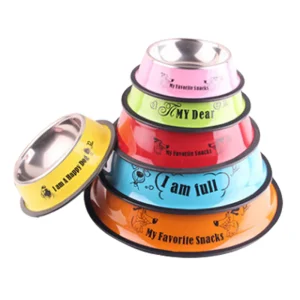
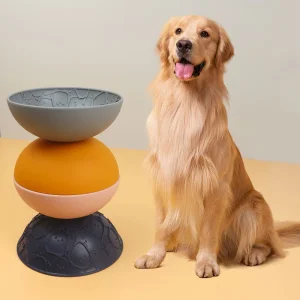
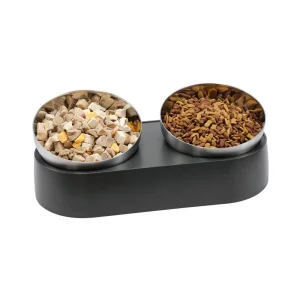
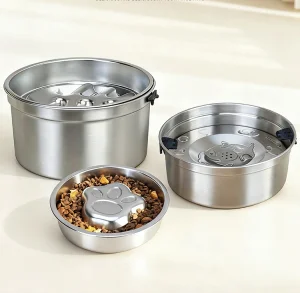
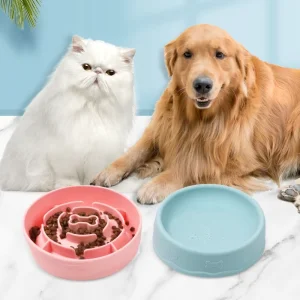
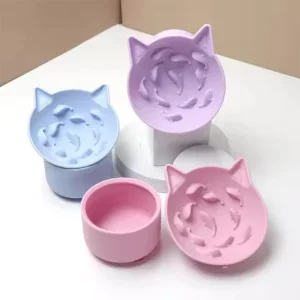
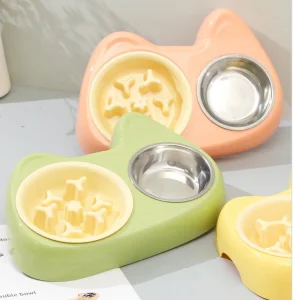
Explore our premium 2-in-1 designs engineering healthier eating and drinking patterns for pets
Over the last decade, pet humanization has transitioned from a niche demographic trend to a core driver of the global pet supplies industry. Veterinary clinics worldwide have raised alarms regarding the systemic risks associated with rapid food ingestion (gulping) in companion animals. Specifically, breeds predisposed to deep chests (such as Great Danes, German Shepherds, and Labradors) face significant risks of GDV (Gastric Dilatation-Volvulus), a life-threatening veterinary emergency commonly known as bloat. Rapid swallowing of kibble introduces excessive air into the stomach, triggering expansion and rotation.
Traditional slow-feeder bowls solved food ingestion velocity but overlooked hydration patterns. Modern physiological research shows that pets consuming dry kibble require simultaneous hydration to facilitate enzymatic breakdown in the stomach. Introducing separate food and water bowls often leads to chaotic feeding spaces, water spillage, and a higher threshold for clean maintenance. As a result, the market demand has shifted dramatically toward Water + Food Combined Slow Bowls.
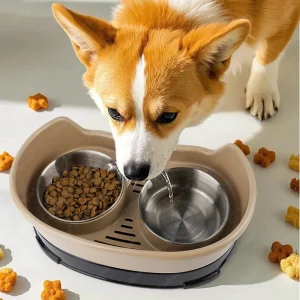
By integrating a maze-style slow-feeding matrix alongside an isolated water reservoir, these products satisfy a dual veterinary requirement: they slow ingestion speeds by up to 200% to 500% while prompting pets to drink clean water in structured intervals, decreasing the likelihood of post-meal choking or vomiting.
Combining water and slow feeder mechanisms prevents dry kibble from obstructing the esophageal pathway. When pets swallow food too quickly without adequate water lubrication, structural throat irritation occurs. Dual-system bowls allow smooth transition cycles between eating and drinking, establishing a calmer autonomic nervous state during feeding periods.
Market analytics, consumer growth vectors, and distribution channels
North America and Europe constitute approximately 65% of global demand for high-end slow feeding solutions. Strict animal welfare laws and high disposable income drive pet owners to seek premium, BPA-free, and LFGB-certified materials. Heavy duty ceramics and double-sided silicone bowls are currently driving high-volume sales on retail networks like Amazon and Chewy.
With urbanization accelerating in China, Japan, South Korea, and Southeast Asia, smaller living spaces demand space-saving multi-functional pet utensils. Elevated combined bowls with cervical neck protection stands are seeing massive growth, driven by pet owners who manage limited living spaces and require compact feeding units.
Consumers actively reject cheap, chemical-laden plastics. As brands adapt, the industry is witnessing a structural shift toward eco-friendly wheat straw PP, premium 304 food-grade stainless steel, and medical-grade platinum-cured silicone. These materials ensure zero chemical leaching and high thermal resistance during dishwasher cleanings.
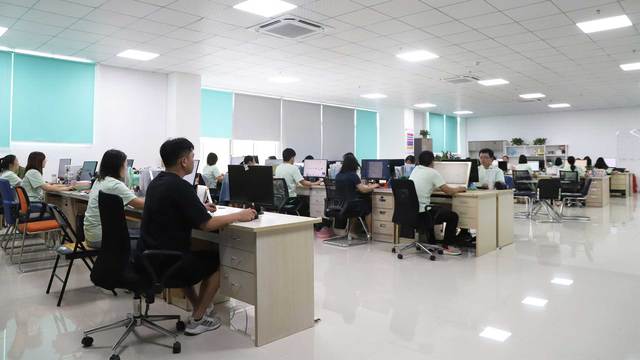
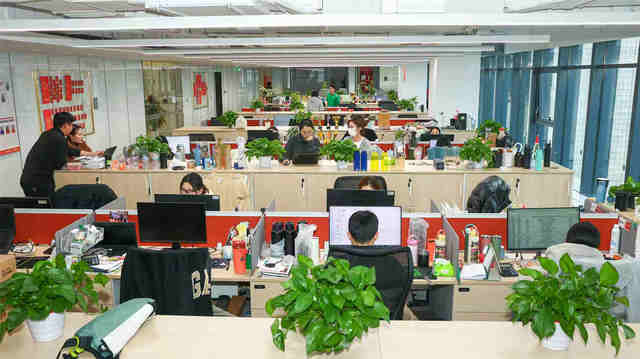
Qingdao Croi Pet Co., Ltd. is a professional Slow Feeder Dog Bowl Manufacturer specializing in innovative anti-gulp pet feeding solutions designed to improve pet digestion, prevent choking, and promote healthier eating habits for dogs and cats. As a leading China pet feeding innovation factory, we focus on developing functional, safe, and durable feeding products for global pet brands, wholesalers, and OEM/ODM partners.
Our product range covers a wide variety of slow feeding solutions, including maze-pattern feeding bowls, spiral slow feeders, elevated anti-gulp feeding systems, non-slip slow feeding dishes, puzzle-integrated bowls, multi-compartment feeding trays, silicone slow feeding mats, stainless steel slow feeders, and adjustable difficulty feeding designs. Each product is engineered to slow down eating speed, reduce bloating, and support long-term digestive health in pets.
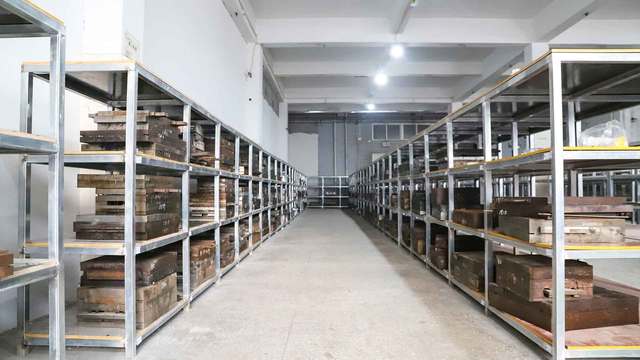
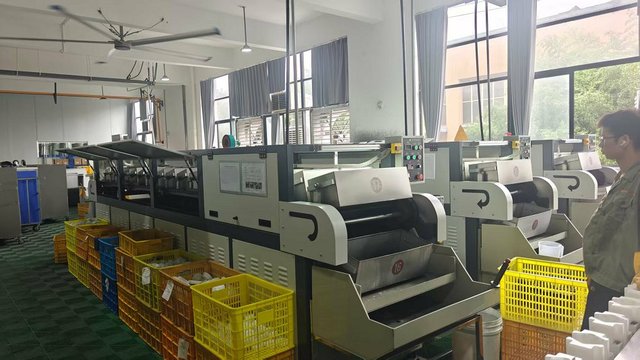
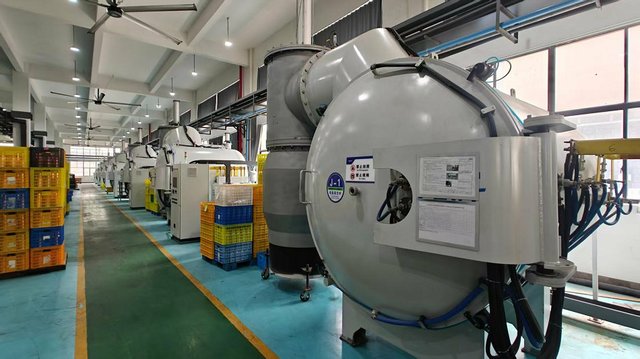
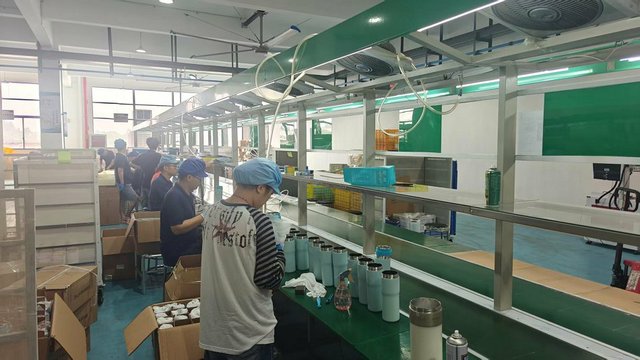
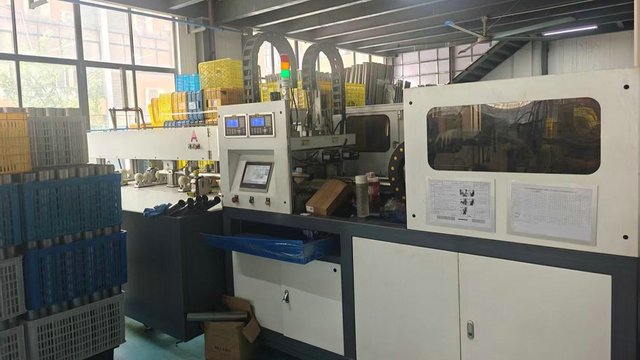
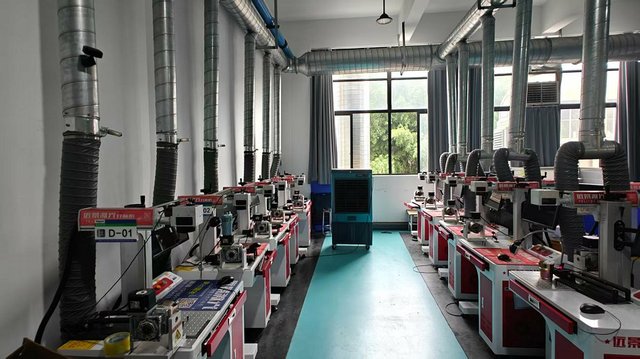
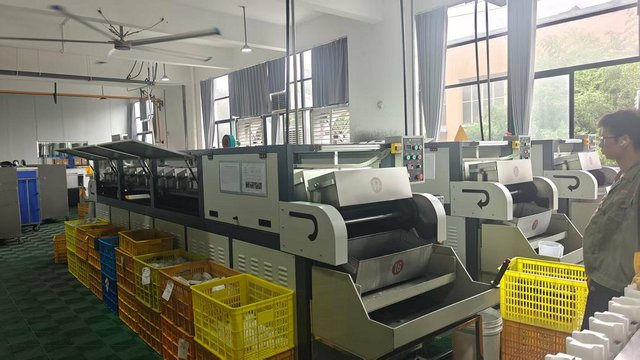
Located in Qingdao, a major coastal manufacturing hub in China, our factory is equipped with advanced injection molding machines, silicone processing systems, and precision tooling workshops. We strictly select pet-safe, BPA-free, and food-grade materials to ensure product safety and durability. Every item undergoes strict quality control testing to meet international standards.
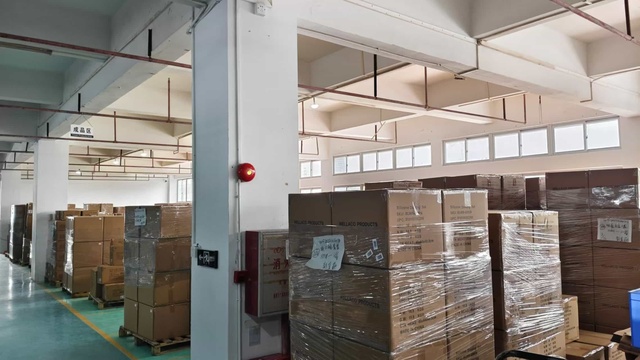
As an experienced OEM/ODM supplier, Qingdao Croi Pet Co., Ltd. provides full customization services, including product structure design, mold development, logo printing, packaging customization, and private label solutions. We support global clients in building competitive pet feeding brands with unique designs and strong market positioning. Our products are exported to North America, Europe, Australia, and Southeast Asia, where they are widely recognized for their functionality, safety, and innovative feeding design.
Driven by innovation and pet health awareness, Qingdao Croi Pet Co., Ltd. is committed to delivering smarter, safer, and more effective slow feeding solutions for pets worldwide.
Our location in Qingdao provides us with immediate proximity to one of the world's busiest container shipping terminals. This proximity translates to minimized inland transport costs, predictable container lead times, and reduced supply chain carbon footprints for our international buyers.
Our factory runs high-pressure plastic injection machines and cleanroom liquid silicone rubber (LSR) processing machinery. By keeping mold-making, prototyping, testing, and scaling entirely in-house, we reduce time-to-market by up to 40% compared to typical third-party contracted manufacturing.
Advanced machinery, high-grade materials, and strict quality control processes
How 2-in-1 slow bowls address specific market and lifestyle needs worldwide
In high-density metropolises (e.g., Tokyo, New York, London, Shanghai), pet owners seek to minimize floor clutter. By consolidating water dispensers and slow feeder bowls into a single non-slip unit, they resolve spacing problems while preventing water spills on sensitive hardwood or carpeted floors.
Elderly pets suffering from osteoarthritis or intervertebral disc disease (IVDD) struggle with deep bending during feeding. Our elevated 2-in-1 bowls feature calculated platform heights and angled food orientations, which reduce neck strain and gastroesophageal reflux symptoms during hydration and consumption.
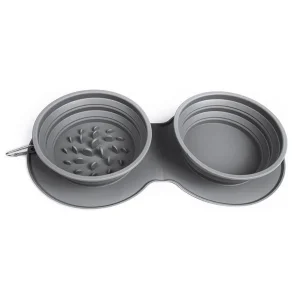
Pet owners who camp or travel require lightweight, collapsible solutions. Our dual-sided food-grade silicone folding bowls can lie flat in travel backpacks and pop open to serve food and water simultaneously. This ensures pets maintain healthy eating habits even when traveling away from home.
The technological horizon of slow pet feeding and hydration equipment
1. Antibacterial Material Infusion: Incorporation of silver ion antimicrobial technologies within PP and silicone matrixes to inhibit bacterial growth on wet food surfaces.
2. Adjustable Complexity Matrices: Slow feeders with movable obstacles or modular puzzle pieces, allowing pet owners to change the difficulty level as the pet grows smarter.
3. Anti-Spill Floating Covers: Integration of floating discs within the water reservoir to limit water discharge speed, keeping dog beards dry and preventing water contamination.
The next era of pet feeding design is defined by material safety, customization, and ergonomic design. Manufacturers are moving away from cheap plastics toward highly durable and safe alternative compounds. Ceramic and food-grade silicone are leading this change because they are hypoallergenic and prevent canine acne caused by microscopic cracks in soft plastic.
Additionally, modern pet feeding designs are becoming more adjustable. Pet products are no longer static; they are interactive. By using adjustable slow feeder designs and puzzle systems, brands can extend the life of their products, keeping pets mentally stimulated during feeding times.
Essential advice for sourcing managers, distributors, and bulk purchasers
Make sure your supply partner provides verified FDA, LFGB, and RoHS certifications. Chemical migration tests are critical when importing into strict regulatory markets like the EU and North America. Double-sided silicone and heavy-duty ceramic bowls must be certified safe from heavy metals and plasticizers.
For custom shapes, choose a manufacturer with in-house CNC mold-making workshops. This reduces initial tooling costs and shortens prototype revisions. Clear design drawings (STP/CAD files) are essential to prevent mistakes during the mold production phase.
OEM factories typically require MOQs ranging from 500 to 2,000 units per color run, depending on the material used. Stock colors usually have lower MOQ thresholds. It is best to negotiate split shipments if you are launching a new product line with multiple styles.
Expert insights on product usage, manufacturing specifications, and veterinary benefits
Premium 2-in-1 slow food and water dispensers for dogs and cats
 Croi Pet