Why Does My Dog Still Eat Fast With A Slow Bowl?

Time:2026-08-22 Author:Amelia
0%

Many dog owners wonder, "why does my dog still eat fast with slow bowl?" This question highlights a growing concern about pet feeding behaviors. According to a report by the Association for Pet Obesity Prevention, nearly 56% of dogs in the U.S. are classified as overweight or obese. This issue can be exacerbated by rapid eating habits.

Dr. Sophie Johnson, a veterinary behaviorist, states, “Even with slow bowls, some dogs have ingrained habits that lead them to consume food quickly.” The design of slow bowls aims to promote healthier eating patterns. However, they are not a cure-all. Dogs may continue to rush their meals due to stress, competition with other pets, or simply out of habit.

Inadequate feeding environments also play a crucial role. For instance, if a dog encounters distractions during mealtime, they may not adjust their speed. Statistics indicate that environmental factors can lead to increased stress eating. Understanding why a dog eats quickly despite a slow bowl requires a closer look at both behavior and the eating environment.
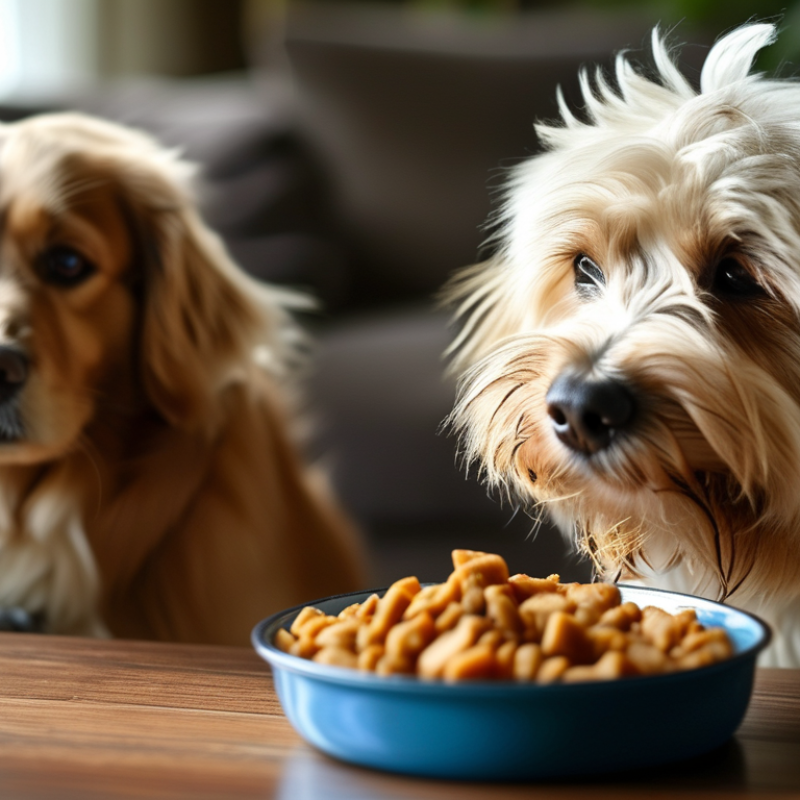
Why Does My Dog Still Eat Fast With A Slow Bowl?

Understanding Dog Eating Habits and Behavior

Dogs have unique eating habits that can be puzzling for their owners. Even with slow feeders designed to encourage slower eating, some dogs still gulp down their food quickly. This behavior can stem from various factors like natural instincts or learned behaviors from their earlier days. Dogs are pack animals; in the wild, fast eaters are often more successful in securing food resources.

Moreover, stress and competition often play a role in how dogs approach mealtime. A dog may have developed a habit of quick eating due to being anxious around other pets. Alternately, positive reinforcement can help, but inconsistent training can lead to confusion. It's important to observe your dog's eating environment and stressors that may affect their behavior.

Understanding these behaviors requires patience. Encouraging slow eating might include strategies like hand-feeding or breaking meals into smaller portions. Some owners might feel frustrated when their efforts don't yield immediate results. However, taking time to recognize and reflect on what motivates your dog's fast eating can lead to better solutions. Fostering a calm meal routine significantly aids in modifying such behavior.

The Purpose of Slow Feeders for Dogs

Slow feeders are designed to help dogs eat at a healthier pace. The purpose is to prevent gulping, which can lead to digestive issues. According to the American Kennel Club, rapid eating can cause bloating and even choking. About 30% of dogs experience bloating at least once in their life.

These bowls feature obstacles and ridges that require dogs to navigate their food. However, some dogs may still find ways to consume their meals quickly. Research shows that certain dog breeds are more prone to rapid eating patterns. Breeds like Labrador Retrievers tend to gulp their food regardless of the bowl design.

It's also worth noting that a dog's attitude toward food can influence their eating behavior. Dogs that feel anxious or overly excited during mealtime may eat quickly, regardless of slow feeders. The underlying stress factors could overshadow the benefits of these bowls. Understanding your dog's individual habits can be crucial in addressing these behavioral issues.

Common Reasons Dogs Eat Quickly Despite Slow Bowls

Dogs are known for their love of food, but some still consume their meals at lightning speed, even with slow bowls designed to curb that behavior. Research indicates that dogs often develop fast eating habits due to natural instincts. In the wild, quick feeding can be essential for survival. This instinct can persist even when domesticated. A study published in the Journal of Animal Behavior highlights that 60% of dogs display signs of food guarding, contributing to their rapid eating despite slow-feed bowls.

Another reason for fast eating is conditioned behavior. Dogs associate mealtime with competition or anxiety. They may feel they need to eat quickly to avoid losing their food to other pets. According to the American Kennel Club, stress and environment play significant roles in a dog's eating habits. A calm and secure environment is crucial for healthy feeding practices.

For pet owners, creating a peaceful mealtime atmosphere can make a difference. Serve meals in a quiet space to minimize distractions. Using quieter, softer feeding bowls can help as well. It may take time for your dog to adjust, and some trial and error might be necessary to identify the best approach. Monitoring your dog’s behavior during feeding can provide insights into their habits, allowing you to make more informed decisions.

Tips for Encouraging Slower Eating in Dogs

Many dog owners notice their pets eating rapidly, even with a slow feeder. This behavior can stem from various reasons, including an ingrained habit or instincts developed over time. Dogs often get excited about food, which can lead to them devouring their meals in a hurry. If a dog is accustomed to eating fast, transitioning to a slow bowl may not immediately change this habit.

To encourage slower eating, you might try breaking up meals into smaller portions. This approach allows your dog to take their time with each bite. Offering meals in different locations can also create a more engaging eating environment. Using puzzle feeders or hiding treats in toys can keep your dog occupied and promote slower consumption. Engaging in some playful training sessions during meal times can divert their attention away from eating too quickly.

While these methods may help, it’s essential to be patient. Dogs may not understand the change right away. If your pet continues to rush through meals, consider observing their behavior closely. Understanding their eating habits can lead to better solutions in the long run. It’s a process that requires reflection and adaptation from both the owner and the pet.

Why Does My Dog Still Eat Fast With A Slow Bowl? - Tips for Encouraging Slower Eating in Dogs

Factor Description Tip for Slower Eating
Anxiety Dogs may eat quickly due to stress or anxiety during meal times. Create a calm feeding environment with minimal distractions.
Hunger A dog might be extremely hungry, leading to fast eating. Adjust portion sizes or increase feeding frequency.
Competition Dogs may eat quickly if they feel competition from other pets. Feed pets separately to eliminate competition.
Habit Some dogs develop a habit of eating quickly over time. Use puzzle feeders or slow feeding bowls to change the habit.
Taste Preference Dogs may be more interested in the taste of their food, leading to fast eating. Experiment with different foods to find their preference.

Health Implications of Fast Eating in Dogs

Fast eating can lead to serious health issues in dogs. When dogs devour their food quickly, they are at risk of choking or developing bloat. Bloat is a life-threatening condition that can cause the stomach to twist, trapping gas and leading to shock. These risks are heightened when dogs are highly excited or anxious during mealtime.

Using a slow bowl may not always solve the fast-eating problem. Some dogs are instinctively driven to gulp their food, regardless of the bowl design. This could stem from their background as pack animals, where competition for food was fierce. Even with slow bowls, they may still eat quickly, leading to potential health concerns. Observing your dog's behavior during meals is essential for spotting these patterns.

Additionally, fast eating can affect digestion. Dogs that eat too quickly may not chew their food well. This can lead to poor nutrient absorption. It is important to keep an eye on your dog's health and eating habits. If the issue persists, consulting a veterinarian might provide better understanding and solutions.

FAQS

: Why do some dogs eat so quickly?

: Dogs may eat quickly due to natural instincts or learned behaviors from earlier experiences.

What factors influence a dog's eating speed?

Stress, anxiety, and competition with other pets can affect their eating behavior during mealtime.

How can I encourage my dog to eat slower?

You can try breaking meals into smaller portions or using puzzle feeders to engage them more during mealtime.

Does using a slow feeder always help?

Not always. Some dogs might still gulp down food quickly even with a slow feeder in place.

What role does environment play in a dog's eating habits?

The eating environment can impact a dog's stress levels, affecting how they approach mealtime.

How important is patience when modifying eating habits?

Patience is crucial. Dogs may take time to adjust to new routines and understand the changes.

What is one effective method to slow down eating?

Hand-feeding can encourage slower eating by making mealtime more interactive and calm.

Can training help with eating behavior?

Yes, positive reinforcement training can aid in slowing down their eating, but it requires consistency.

What should I observe in my dog's eating habits?

Look for stressors or patterns in behavior that might contribute to their fast eating.

Is it normal to feel frustrated with a dog's eating habits?

Yes, many owners experience frustration, but reflection on your dog's habits can lead to improvement.

Conclusion

The article titled "Why Does My Dog Still Eat Fast With A Slow Bowl?" delves into various aspects of dog eating habits and the purpose of slow feeders. It explains that while slow bowls are designed to encourage slower eating, some dogs may still consume their food rapidly due to instinctual behaviors, stress, or excitement during meal times. The piece highlights common reasons for this phenomenon and offers tips for pet owners on how to foster slower eating habits, such as providing smaller portions and creating a calm eating environment. Additionally, the article discusses the potential health implications of fast eating in dogs, emphasizing the importance of addressing this behavior for their well-being. Understanding these factors can help owners manage their dogs' eating habits more effectively and answer the question, "why does my dog still eat fast with slow bowl?

Amelia

Amelia

Amelia is a seasoned marketing professional with a wealth of expertise in our company’s core offerings. With an unwavering passion for driving growth and innovation, she plays a pivotal role in shaping our marketing strategies and enhancing brand visibility. A key aspect of her responsibilities......