Explore our premium, CE-certified functional eating gear engineered for digestive optimization and behavioral health.
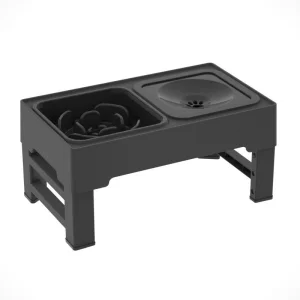
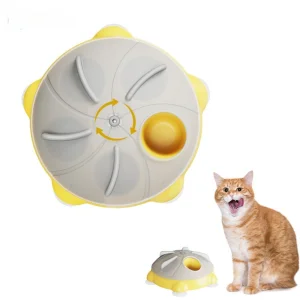
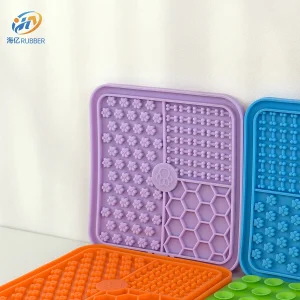
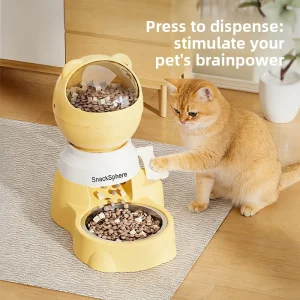
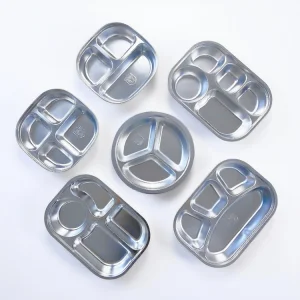
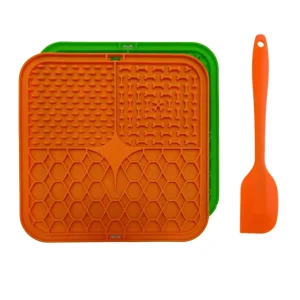
Analyzing physiological vulnerabilities in domestic animals and the bio-mechanical principles behind restorative feeding gear.
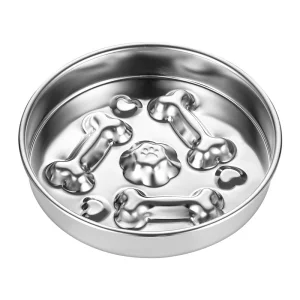
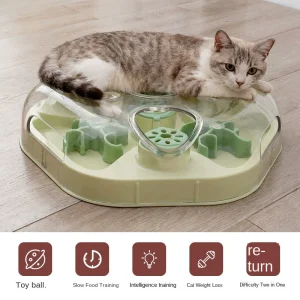
Modern veterinary medicine demonstrates that canine and feline digestive paths are structurally mismatched with rapid ingestion (tachyphagia). Rapid eating triggers excessive aerophagia (air swallowing), initiating acute Gastric Dilatation-Volvulus (GDV), colloquially identified as canine bloat. This pathological rotation of the stomach, most common in large deep-chested canine breeds, carries a high mortality rate. Functional pet eating gear mitigates this hazard by introducing physical mazes, variable elevations, and interactive mechanical barriers that prolong feed ingestion phases.
Qingdao Croi Pet Co., Ltd. applies extensive biomechanical and veterinary research to engineers anti-gulp pet feeding solutions. Each design is structurally calibrated to increase ingestion duration by up to 200–500% compared to flat-bottomed steel or ceramic dishes.
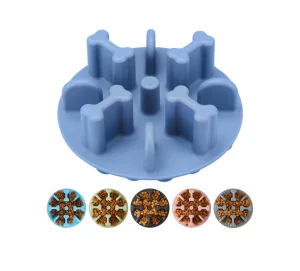
When domestic animals swallow food without chewing, their salivary amylase mix is insufficient, leaving large food boluses to hit the gastric tract intact. This results in heavy chemical and mechanical loads on the lower stomach, leading to indigestion, acid reflux, postprandial lethargy, and vomiting. Implementing labyrinth configurations, multi-depth ridges, and tactile nodes slows ingestion, forcing animals to use their tongues to extract small kibble portions. This process stimulates cognitive tracking and continuous saliva release, introducing vital bicarbonate enzymes that neutralize stomach acids and optimize nutrient absorption.
Quantifying the durability, biological safety, and engineering specifications of our manufacturing output.
Ensuring compliance with international safety frameworks including CE, FDA, LFGB, and RoHS.
Biological safety is crucial in functional pet accessory design. High-speed contact with food surfaces, especially in the presence of natural oils and moisture, demands chemical stability. Our production processes focus strictly on raw material validation, selecting only FDA and LFGB-grade silicones, premium SUS304 stainless steel, and impact-resistant, BPA-free polypropylene. Our raw materials undergo strict testing, assuring they are free of phthalates, heavy metals, bisphenols, and volatile organic compounds (VOCs).
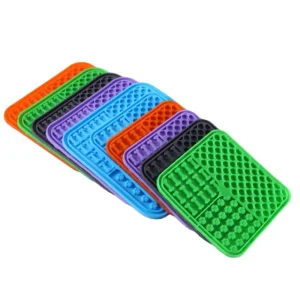
Highly flexible, durable elastomeric polymers resistant to temperature ranges of -40°C to 240°C. Ideal for dishwasher sterilization, hypoallergenic usage, and high-suction bases.
An austenitic chromium-nickel alloy offering exceptional oxidation and corrosion resistance. Inhibits bacterial growth, resists biofilm buildup, and survives high-impact drops.
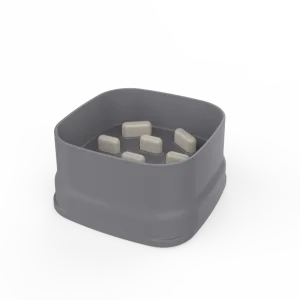
Impact-modified, food-safe polypropylene offering high structural rigidity. Resistant to organic solvents, completely odorless, and 100% recyclable post-lifecycle.
For European distribution networks, CE certification is essential. Every batch of our pet bowls, slow feeder mats, and elevated feeding tables is tested under EN71-3 (Safety of Toys - Migration of Certain Elements) protocols to prevent heavy metal leaching. Additionally, we conduct simulated salivary exposure tests to ensure no harmful substances transfer to pets during prolonged licking or chewing.
Leveraging industrial density, advanced logistics infrastructure, and integrated supply chains.
As a leading China pet feeding innovation factory located in Qingdao, a major coastal manufacturing hub in China, Qingdao Croi Pet Co., Ltd. benefits from a highly optimized industrial ecosystem. This location delivers major cost efficiencies and supply chain stability. Our factory is equipped with advanced injection molding machines, silicone processing systems, and precision tooling workshops. We utilize automated production lines to reduce manual assembly costs while maintaining high manufacturing precision.

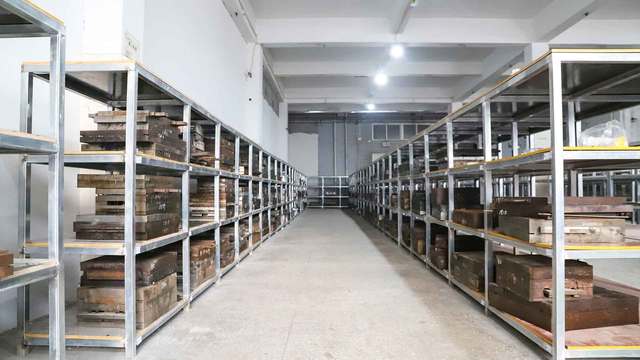
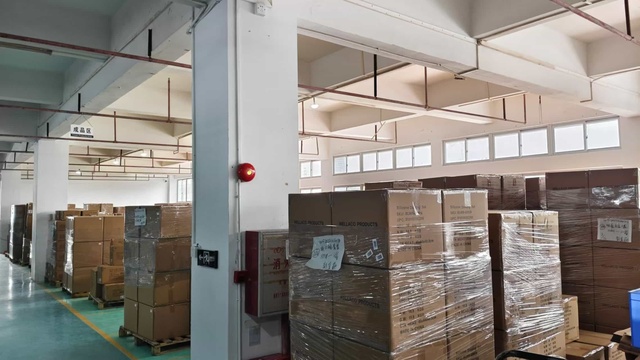
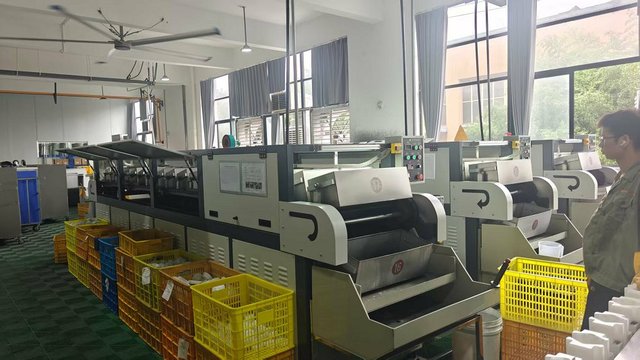
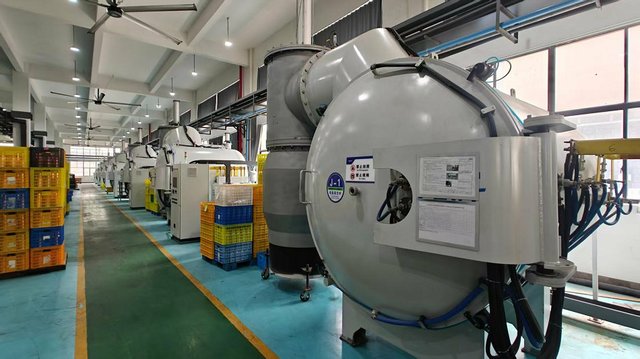
The Qingdao industrial cluster connects us directly to leading local polymer refineries, precision steel suppliers, and modern packaging plants. This regional proximity reduces raw material transit times and limits carbon emissions. Furthermore, the Qingdao international seaport enables direct container shipping to North America, Europe, Australia, and East Asia, bypassing long overland transport loops to reduce global freight costs.
B2B framework detailing the OEM/ODM timeline, private label customization, and quality control protocols.
As an experienced OEM/ODM supplier, Qingdao Croi Pet Co., Ltd. provides full customization services, including product structure design, mold development, logo printing, packaging customization, and private label solutions. We support global clients in building competitive pet feeding brands with unique designs and strong market positioning. B2B buyers require reliability, regulatory compliance, and consistent product quality. Our end-to-end customization workflow follows a structured engineering sequence:
Our engineers convert your concepts into detailed CAD files. We conduct Finite Element Analysis (FEA) to evaluate the structural integrity and thickness of silicone walls, and simulate fluid dynamics for slow feeder cleaning cycles.
We generate physical silicone and plastic prototypes using high-resolution SLA/SLS 3D printers or soft molds. This allows you to evaluate the ergonomic shape and perform fit tests within 5-7 working days.
Our in-house CNC and EDM workshops mill robust steel injection molds with tolerances down to ±0.01mm. This ensures consistent dimensions across high-volume production runs.
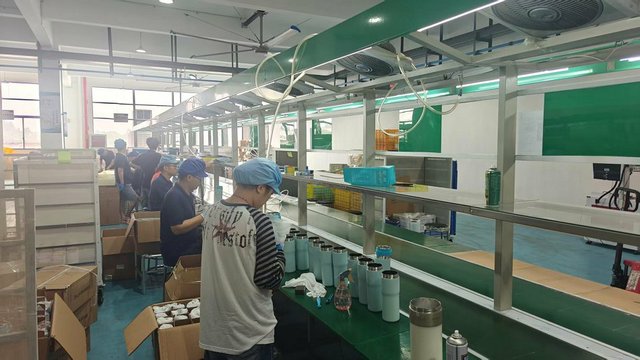
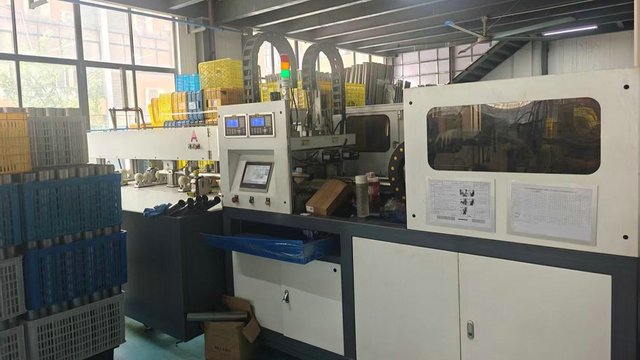
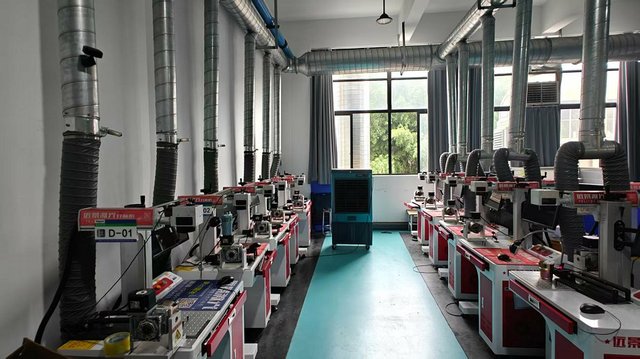
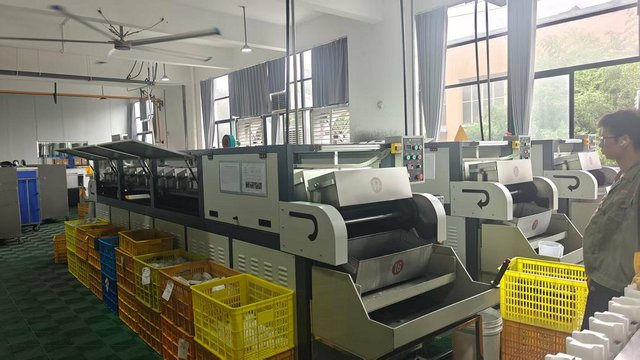

Quality Assurance (QA) is integrated throughout our production process. Our QC team monitors injection pressures, silicone vulcanization times, and structural finishes at every shift. Post-production audits include high-tension suction tests for suction-based products, salt spray testing for stainless steel items, and print adhesion tests for branded graphics.
Identifying emerging product design concepts and technical advances shaping the 2025–2030 market.
The global pet accessories market is transitioning from generic feeding bowls to highly specialized, scientifically backed eating gear. This evolution is driven by rising pet health awareness and the premiumization of pet accessories. B2B buyers should note these major design and material trends:
Consumer demand for eco-friendly products is driving the adoption of bio-composites, recycled ocean plastics, and agricultural waste materials (such as wheat straw and bamboo fiber mixtures). Developing sustainable pet feeding accessories with low carbon footprints helps brands connect with eco-conscious consumers.
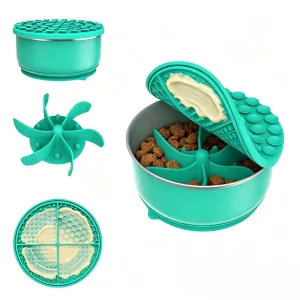
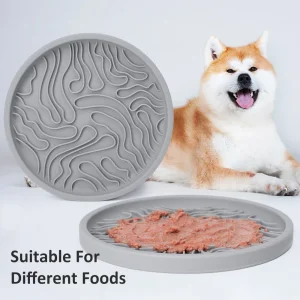
Standard static bowls are being replaced by modular systems that adapt to a pet's life stages. Elevated assemblies with multi-tier adjustable heights and interchangeable feeder inserts (such as slow feeding mazes or licking plates) extend product utility and reduce the need for repeat purchases.
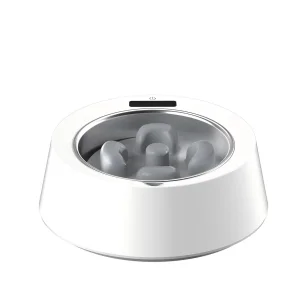
Combining traditional slow feeding designs with electronic tracking systems is a growing industry trend. Integrating weighing sensors, NFC tracking chips, and app-connected portion control systems provides pet owners with real-time health data, creating high-margin opportunities for tech-focused pet brands.
Explore our customizable, high-volume production models designed for global distribution networks.
Technical and commercial answers addressing key aspects of our partnership workflow.
 Croi Pet