Croi Pet
Executive Whitepaper: Scientific Principles of Labyrinth Pattern Feeding Tools
In the modern companion animal sector, the transition from traditional domestication models to humanized family dynamics has highlighted critical health concerns, notably in gastrointestinal biology. Among these, canine Gastric Dilatation-Volvulus (GDV), colloquially known as bloat, remains one of the leading acute causes of mortality in deep-chested breeds. Scientific research confirms that rapid food ingestion (aerophagia) combined with inadequate mastication exponentially increases the risk of gastric distension, acute choking, and subsequent regurgitation.
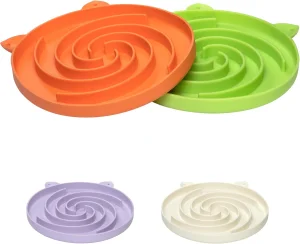
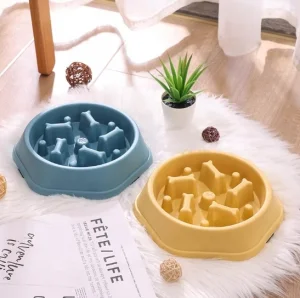
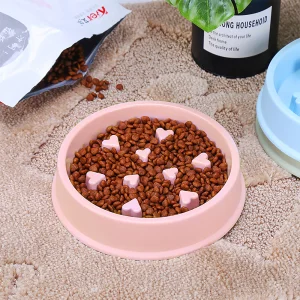
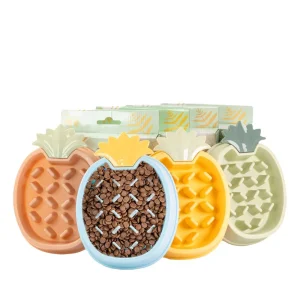
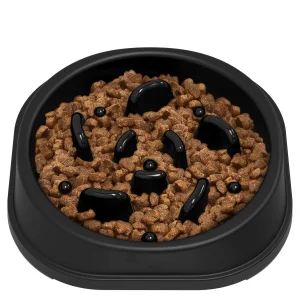
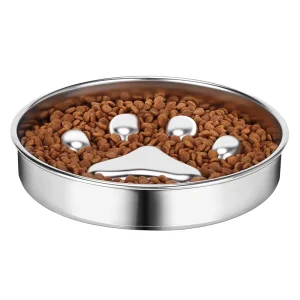
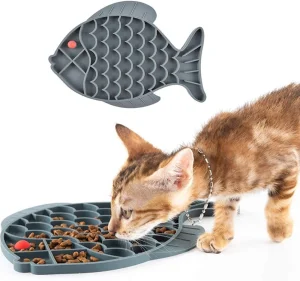
As a specialized Slow Feeder Dog Bowl Manufacturer, Qingdao Croi Pet Co., Ltd. is at the forefront of engineering advanced biomechanical solutions to address these physiological vulnerabilities. Our custom OEM labyrinth-pattern feeding tools are developed using flow-restriction dynamics that strategically disrupt a dog or cat's natural gulping reflex. By forcing the pet to navigate three-dimensional obstacles (mazes, ridges, and valleys), the ingestion speed is reduced by up to 800% to 1000%. This extended consumption window significantly promotes salivation, stimulates natural digestive enzymes, and reduces the ingestion of excess air, mitigating the occurrence of gastric torsion.
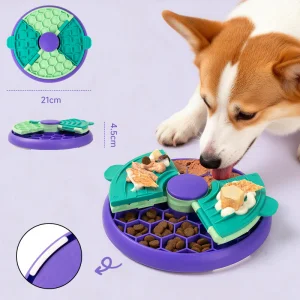
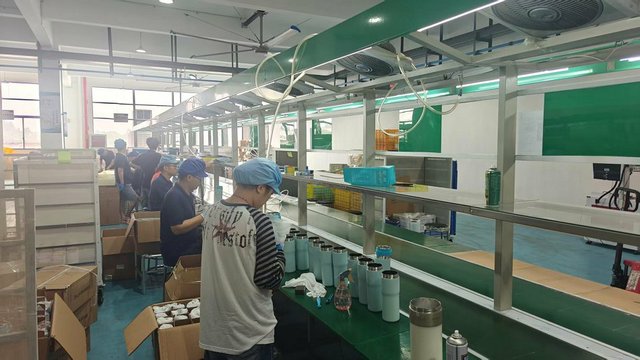
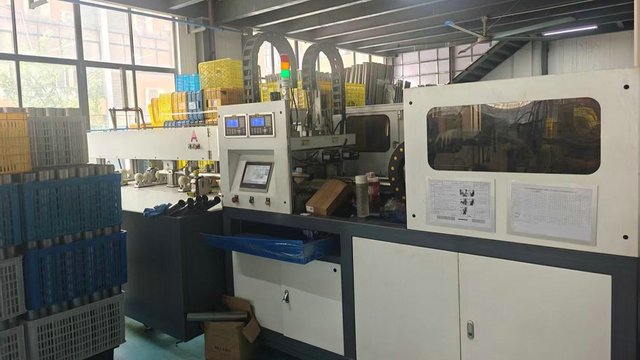
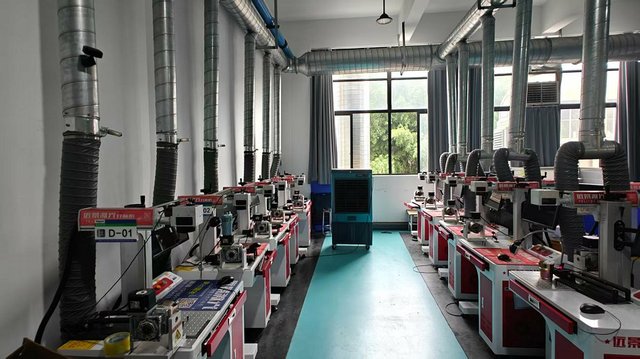
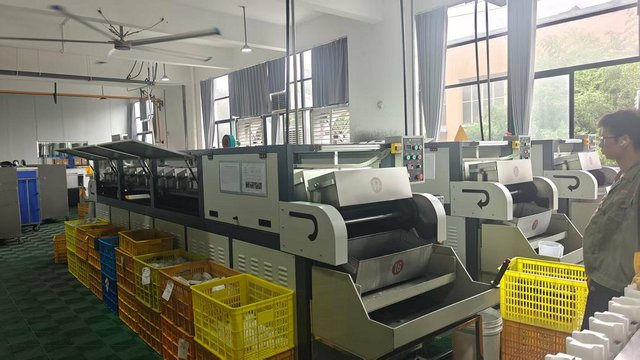
Our comprehensive research and manufacturing ecosystem in Qingdao, China, integrates computational fluid design with animal behavior study. The result is a diverse portfolio of anti-gulp pet feeding solutions that do not merely delay eating, but actively stimulate cognitive function through puzzle-integrated mechanisms.
Biomechanical Design & Technological Architecture
Designing an effective labyrinth slow feeder requires balancing structural resistance with feline and canine oral morphology. A maze that is too shallow fails to restrict rapid feeding; a maze that is too deep or narrow causes high frustration and potential injury to the snout. At Qingdao Croi Pet, our engineering team optimizes three critical variables:
Variable Pit & Ridge Architecture
We deploy varied height clearances and undulating pathways that require pets to use their tongues dynamically, preventing tongue fatigue while maximizing the time needed to extract kibble.
Material Versatility & Safety
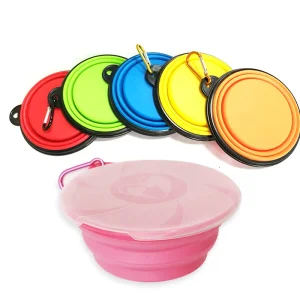
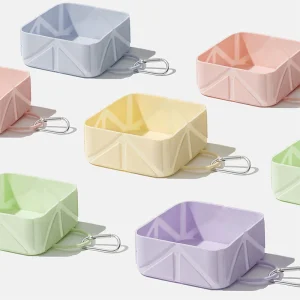
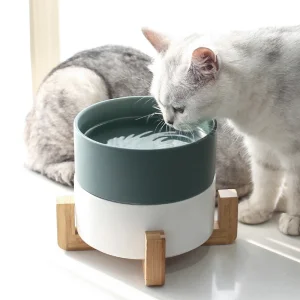
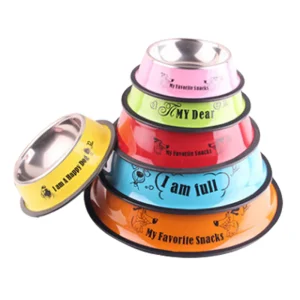
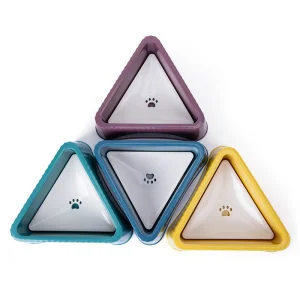
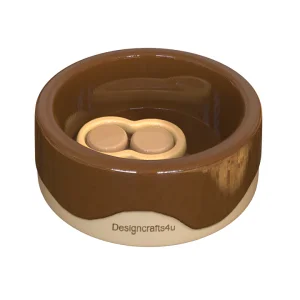
Our tools utilize high-grade silicone, shatterproof BPA-free PP, premium heavy-duty ceramics, and eco-friendly stainless steel to cater to varying consumer demands and sensory preferences.
Anti-Slip Hydrodynamics
Equipped with thermal plastic elastomer (TPE) overmolded bases or integrated suction cups, our designs withstand lateral pushing forces from determined feeding actions.