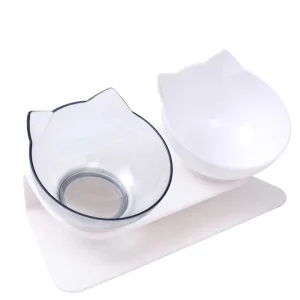
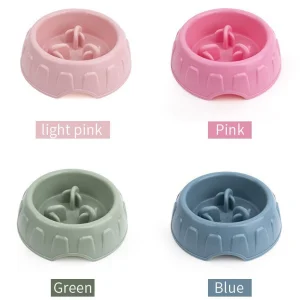
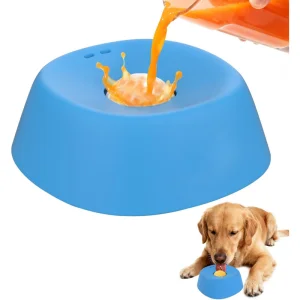
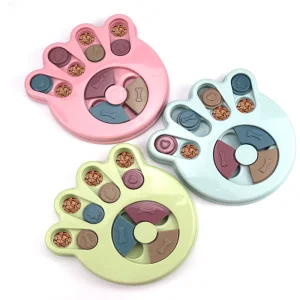
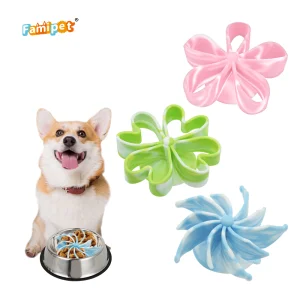
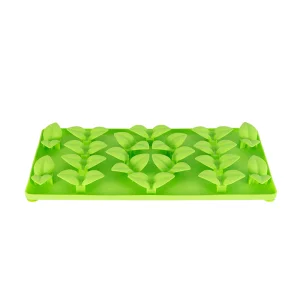
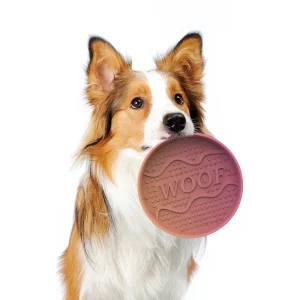
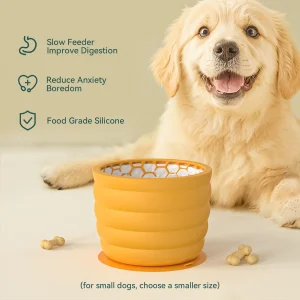
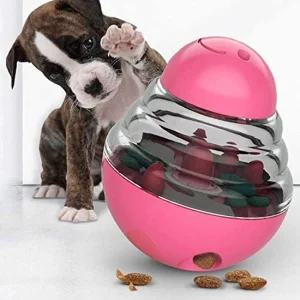
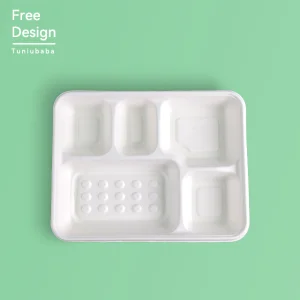
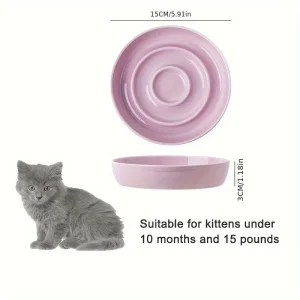
Engineered for optimal physiological safety, non-spill compliance, and interactive behavior moderation. High-durability designs ready for custom branding.
FDA & LFGB Food Safe
End-to-End Capabilities
Exporting Destinations
BPA & Toxic Chemicals
Understanding veterinary research, market needs, and distribution dynamics across modern pet retail ecosystems.
The global pet care sector has entered an era of intense humanization. Pet owners are no longer merely buyers of products; they are proactive wellness curators for their animals. Historically, standard containers served to hold dry food. However, extensive veterinary research now shows that rapid food ingestion in canines—popularly known as "scarfing"—leads directly to severe health complications. Among these, Gastric Dilatation-Volvulus (GDV), commonly known as canine bloat, remains one of the leading emergencies in large breed dogs. Concurrently, rapid eating patterns contribute to chronic indigestion, acute vomiting (regurgitation), and systemic obesity.
As a result, modern pet food brands, distributors, and specialist veterinary retailers are rapidly upgrading their product lines to feature scientific, anti-gulp feeding mechanisms. The global market value for slow feeders, interactive licking surfaces, and physiological feeding apparatuses is expanding at a CAGR of over 8.5%. To capture this demand, companies require a supplier that provides more than basic manufacturing. The market demands specialized materials, functional obstacle layouts, ergonomic angles, and high manufacturing safety standards.
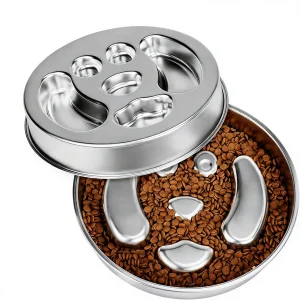
Veterinary clinics worldwide emphasize the clinical benefits of slow-feeding systems. An optimized slow feeder forces a dog to use tongue maneuvers to navigate complex food grooves, extending feeding times from an unsafe 40 seconds to a healthier 5-to-10 minutes. This decrease in eating speed restricts the amount of excess air ingested, which directly reduces gastric gas buildup. For cats, ergonomic considerations are equally vital. Traditional flat feeding dishes pressure feline whiskers, causing sensory stress. Tilted and raised feeding bowls, such as the 15-degree elevated cat bowl models, support a comfortable swallowing posture, lowering the burden on the feline cervical spine and reducing instances of post-meal vomiting.
Industrial capacity, precision engineering, and global logistics performance.
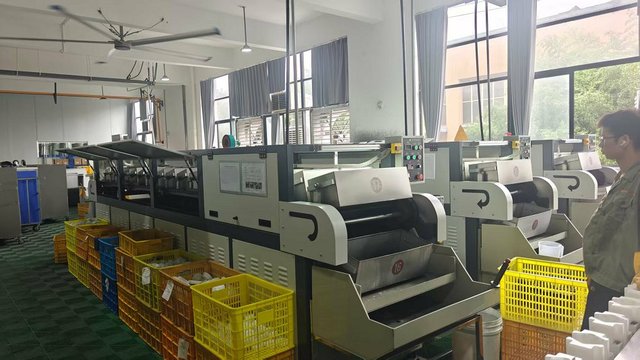
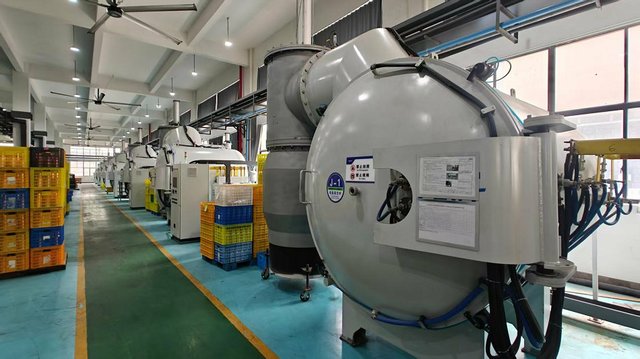
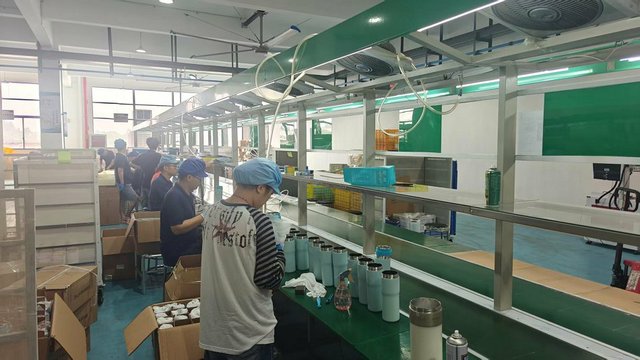
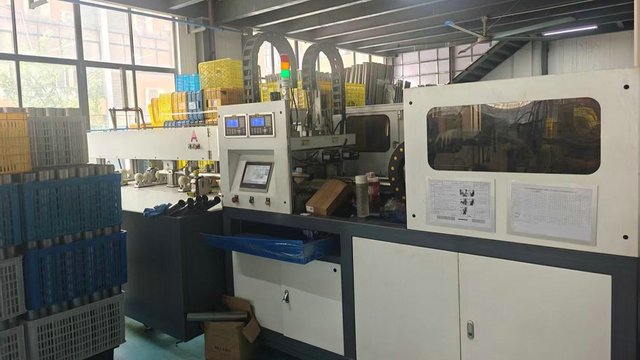
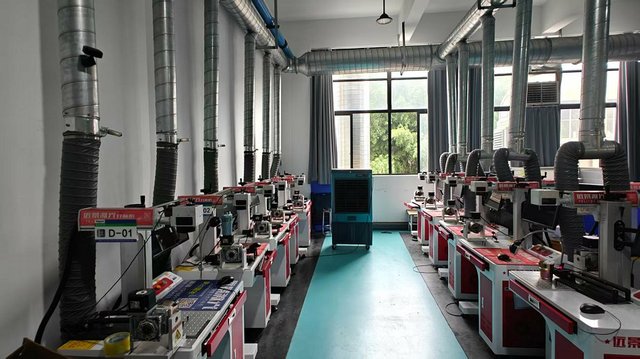
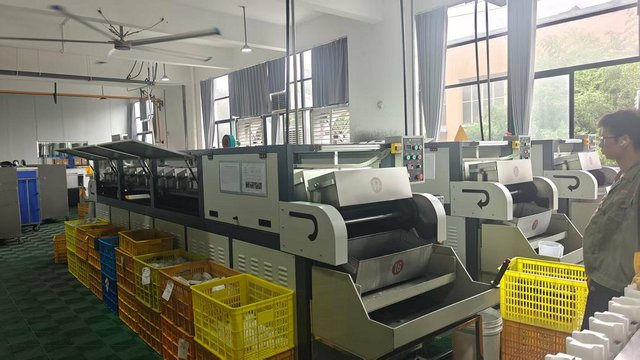
Developing functional, safe, and cost-effective pet feeding solutions requires a partner with advanced technical infrastructure. Located in Qingdao, a major coastal manufacturing hub in China, Qingdao Croi Pet Co., Ltd. stands at the intersection of supply chain optimization and advanced product development. Our manufacturing facility utilizes high-precision plastic injection molding machines, automated liquid silicone rubber (LSR) processing systems, and an integrated testing center. This lets us maintain strict manufacturing tolerances while offering competitive pricing.
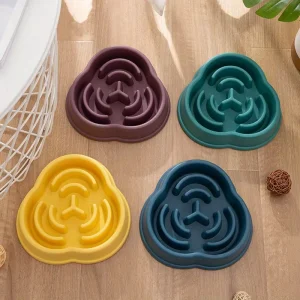
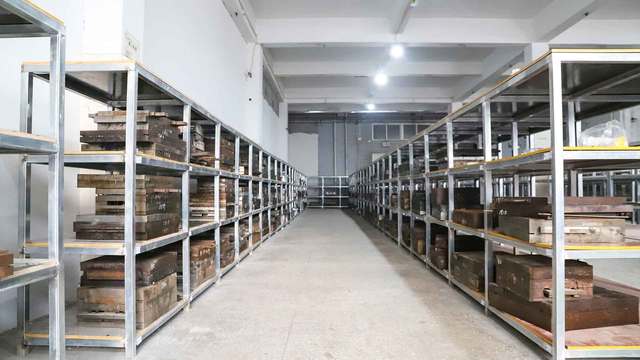
Our tooling workshop designs and refines complex structural molds. This ensures that every maze channel, spiral obstacle, and anti-slip groove is molded cleanly, eliminating sharp plastic flash or weak points that could harm a pet's mouth.
We work exclusively with certified raw materials. Every batch of plastic resin, food-grade polypropylene, elastomer, and premium silicone is fully traceable, guaranteed BPA-free, and compliant with FDA and LFGB food contact standards.
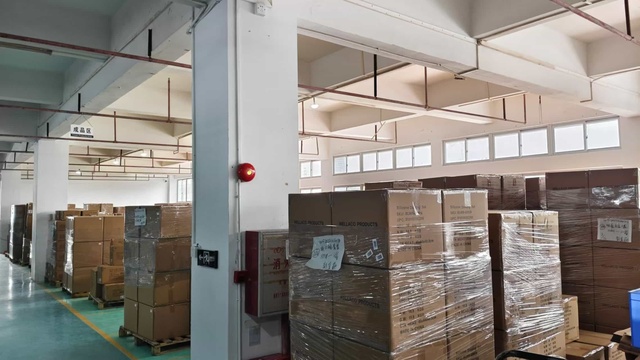
Our proximity to Qingdao Port allows for quick logistics turnaround. This saves time and money for international shipments, ensuring lower container shipping rates and fast dispatch to North America, Europe, Australia, and East Asia.
Additionally, our factory integrates design and mass production. Many manufacturers outsource mold design, which can cause communication delays. At Qingdao Croi Pet, we run a unified workflow where CAD modeling, rapid 3D prototyping, and structural testing happen under one roof. This integrated process shortens delivery times and ensures that final products match the initial design specifications.
How we help global pet brands, online retailers, and distributors transition from concept to market-ready products.
In the highly competitive pet supplies market, product differentiation is key to success. A basic slow feeder bowl may face severe price competition on retail shelves. However, a patented interactive feeding puzzle or a customized silicone-overmolded non-slip dish can command premium pricing. Qingdao Croi Pet Co., Ltd. provides comprehensive customization support to assist brands in developing proprietary pet feeding products.
Our OEM/ODM services cover every stage of the product lifecycle:
Aligning product features with regional consumer behaviors and sourcing regulations.
Consumer preferences for pet feeding products vary significantly across regions. A successful product line must account for these localized application environments:
1. Urban High-Density Living (North America & Western Europe): Apartment living and busy work schedules shape how owners feed their pets. In these environments, licking mats and puzzle feeders serve dual purposes: they slow down eating while helping relieve separation anxiety. Licking mats designed with suction cups can be mounted on glass doors or bathtubs. This keeps dogs distracted and calm during bathing or grooming sessions.
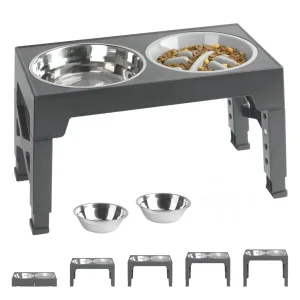
2. Ergonomic Focus & Senior Pet Care (Japan & South Korea): Aging pet populations in mature markets have driven demand for orthopedic feeding setups. Raised and adjustable double-bowl units reduce strain on joints and the back for senior cats and dogs. Sourcing managers focus heavily on these products to meet the needs of aging pets.
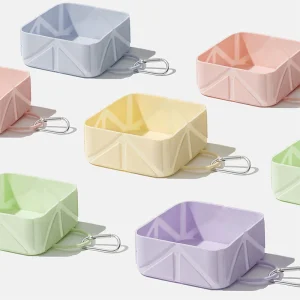
3. Outdoor Travel & Portability (Australia & North America): Active pet owners demand flexible, travel-ready feeding options. Lightweight, collapsible silicone bowls with integrated carabiners allow for convenient feeding during hikes or road trips without taking up excess space.
From a sourcing perspective, international buyers look for suppliers that can show compliance with relevant safety and chemical regulations. European buyers prioritize compliance with LFGB and REACH regulations, which restrict specific phthalates and plasticizers. North American buyers require compliance with FDA materials standards and Proposition 65 requirements. Qingdao Croi Pet Co., Ltd. addresses these needs by performing regular chemical testing and sourcing materials with verified certifications.
Take a closer look at our advanced manufacturing lines, quality control processes, and warehousing facilities.


Crucial information regarding compliance, production capacities, pricing models, and customizable services.
We manufacture using high-impact, BPA-free Polypropylene (PP), food-grade post-consumer recycled plastics, premium medical-grade silicone, bone china/ceramics, and 304 food-grade stainless steel. All materials are certified safe for contact with pet food.
We work with raw material suppliers who hold safety certifications. We also conduct third-party verification testing through SGS and Intertek to confirm that our products are free of lead, phthalates, and bisphenols.
For standard models in custom colors, the MOQ generally starts at 1,000 units. For fully customized shapes that require a new injection mold, the MOQ is typically 3,000 units. Mold amortization plans can be arranged based on projected order volumes.
Yes. Our engineering department can work directly with your STEP, IGES, or SolidWorks files. We evaluate designs for draft compliance, optimize fill parameters, and run mold flow analyses before production begins.
Qingdao Port is a major maritime gateway with direct shipping routes to international ports. Sourcing from our facility reduces overland transport costs, simplifies customs processes, and shortens transit times by up to 5 days compared to inland factories.
We offer custom packaging options, including corrugated display cartons, Kraft boxes with soy-ink printing, printed header cards, and clear PET sleeves. We can also print barcodes and retail labeling directly on the packaging.
Silicone slow feeders are more flexible, less prone to cracking, and naturally slip-resistant on hard surfaces. They are also highly resistant to heat, making them dishwasher safe. Plastic slow feeders offer higher structural rigidity, allowing for complex maze designs, and are generally more cost-effective for large-volume orders.
Our quality control process includes: raw material inspections, inline checks every two hours during molding, aesthetic inspections to remove flash or defects, and final packaging checks. We also perform drop-testing to verify structural durability.
Discover our range of stainless steel elevated systems, non-slip silicone bases, and travel-ready feeding solutions.
 Croi Pet