Explore our elite selection of highly adjustable, ergonomic, and food-safe slow feeding designs engineered to maximize engagement and improve digestive wellness.
An engineering approach to animal behavior, digestive kinematics, and ergonomic industrial design.
In the global pet supplies industry, the concept of pet feeding has evolved from simple containment vessels to complex cognitive engagement systems. The primary driver of this shift is the rising awareness of gastric dilatation-volvulus (GDV), commonly known as canine bloat, along with feline indigestion and obesity. "Adjustable Difficulty Feeders" represent the cutting edge of this evolution, offering customizable mechanical resistance to pet ingestion. As a premier China pet feeding innovation factory, Qingdao Croi Pet Co., Ltd. is at the forefront of designing these dynamic solutions.
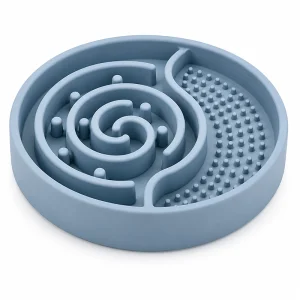
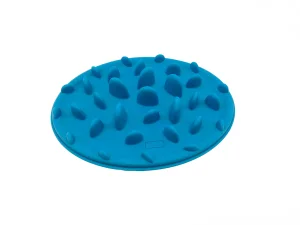
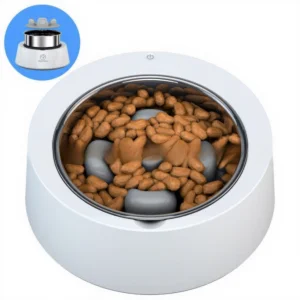
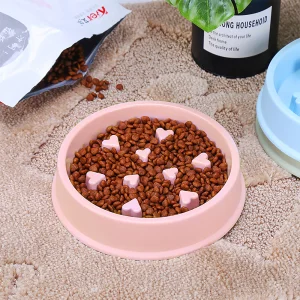
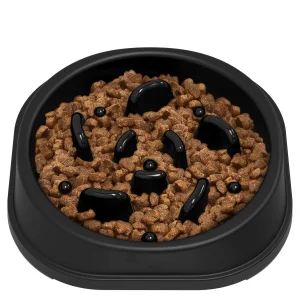
Adjustable difficulty feeding mechanisms work by changing the spatial geometry through which a pet must access food. Traditional slow feeders have fixed ridges or labyrinths. However, pets are fast learners; they map the spatial layout of fixed bowls within days, reducing the ingestion delay over time. Adjustable systems counter this cognitive adaptation by introducing moveable barriers, modular inserts, or rotating dials that allow owners to recalibrate the maze pattern, varying the challenge level from Phase 1 (beginner) to Phase 5 (expert).
Prevent mental fatigue and anxiety by shifting the physical configurations, engaging the pet's natural hunting and foraging instincts.
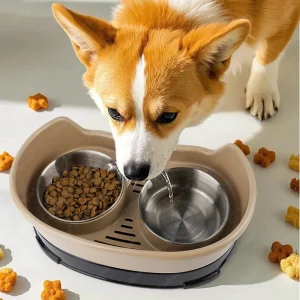
Modular physical inserts of varying heights and spacing accommodate different snout sizes and structural feeding capabilities.
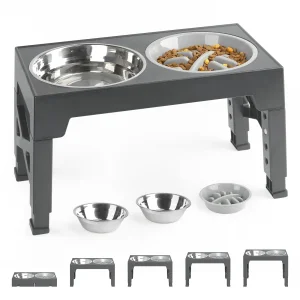
Multi-height elevation mechanisms eliminate joint strain on senior pets, combining mechanical digestion barriers with orthopedic support.
Discover how Qingdao Croi Pet Co., Ltd. utilizes industrial-grade machinery and food-safe material sciences to ensure compliance and market superiority.
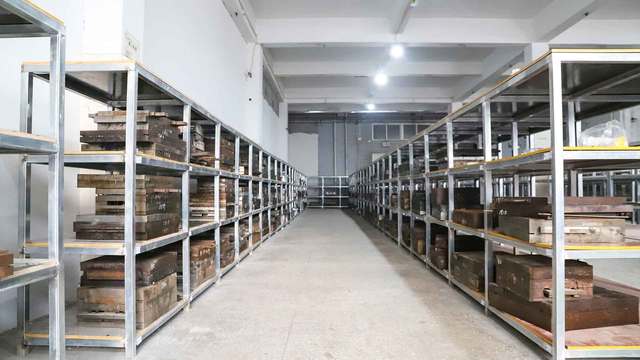
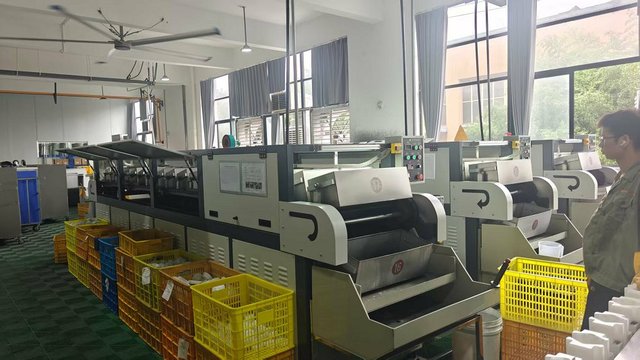
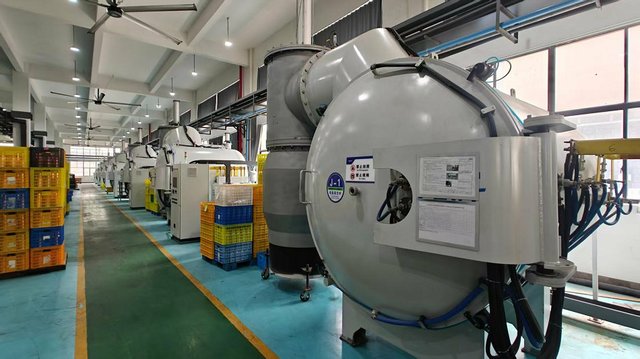
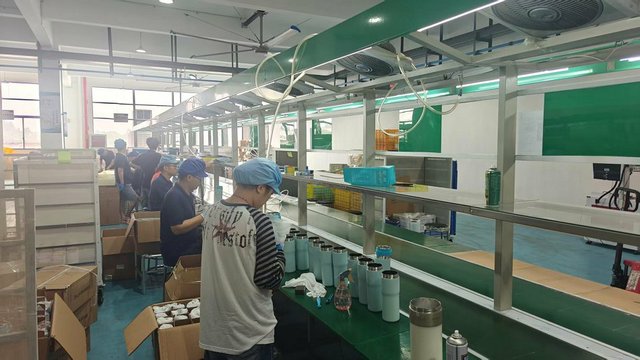
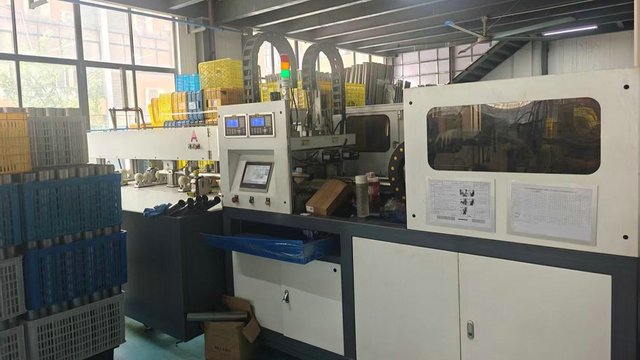
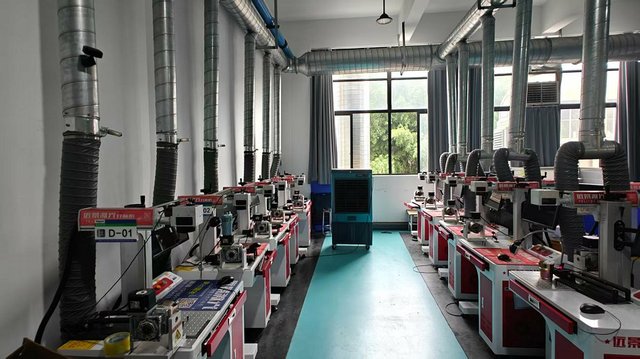
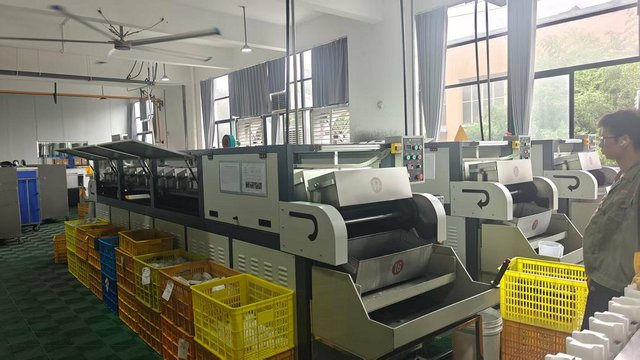
Operating out of Qingdao, a premier coastal industrial zone in China, Qingdao Croi Pet Co., Ltd. leverages a highly modernized manufacturing plant. The factory features high-tonnage injection molding systems, advanced liquid silicone rubber (LSR) processing units, and high-precision CNC tooling workshops. Our core manufacturing capabilities ensure clean parting lines, minimal flashing, and exact compliance with engineering tolerances.
Material safety remains the absolute cornerstone of our production philosophy. Every batch of pet-safe raw materials—ranging from premium ABS and PP to food-grade silicone and natural bamboo fiber composites—is tested for chemical stability under high thermal ranges. Our products comply with FDA, LFGB, and RoHS regulations, assuring global wholesale buyers of their chemical safety and zero-toxin profiles.


Analyzing future trends in slow-feeding mechanisms, cross-sector automation, and veterinary recommendations.
The pet supplies sector is undergoing massive changes due to pet humanization and the expansion of smart home devices. Adjustable difficulty feeders are no longer passive silicone mats or plastic mazes. They are becoming integrated systems that incorporate precise weighing scales, motorized speed regulators, and behavioral tracking algorithms.
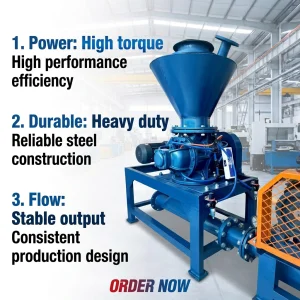
For example, our *Industrial Material Feeding System (Automated Feeder 3kW 380V)* highlights the deep overlap between consumer pet products and automated processing machinery. Large-scale pet boarding facilities, veterinary clinics, and high-capacity pet food packagers utilize industrial-grade feeding mechanisms to distribute raw ingredients and dry kibble with consistent accuracy. This micro-to-macro engineering range sets our production capacity apart.
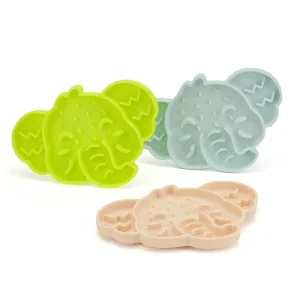
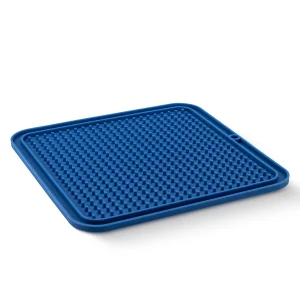
Developing manual, non-slip adjustments like shifting plates, interchangeable silicone inserts, and multi-pattern lick mats to increase chewing time and slow digestion.
Integrating mechanical strain-gauge load cells directly into slow-feed bowls to monitor and display meal portion weights in real-time, preventing overeating.
Implementing smart sensory gates that open or narrow dynamically based on real-time eating speed and the pet's heart rate, managed through a dedicated app.
How we support global pet brands, distributors, and bulk purchasers from design to delivery.
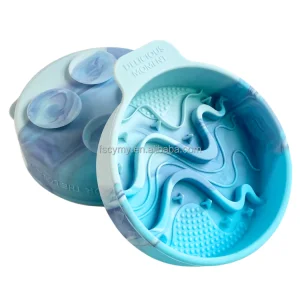
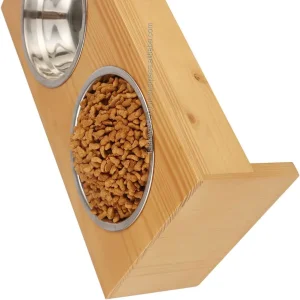
At Qingdao Croi Pet Co., Ltd., we understand that brand differentiation is critical to B2B success. We offer complete custom solutions designed to help you capture market share. Whether you want to develop a customized slow feeder, an adjustable silicone lick mat with a suction base, or an elevated double-bowl wooden feeding system, our team is equipped to guide you through every step of the process.
Our OEM/ODM capabilities include:
Expert technical answers regarding materials, manufacturing compliance, minimum orders (MOQ), and shipping logistics.
Discover more specialized slow feeders, multi-compartment organizers, and industrial-grade feeding solutions.

 Croi Pet