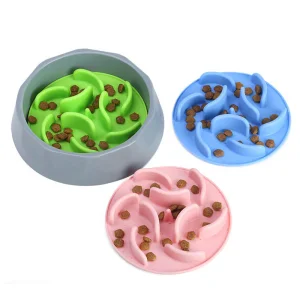
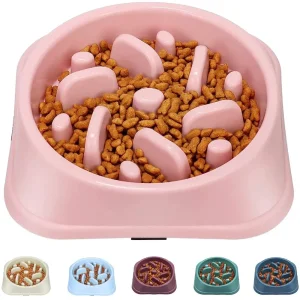
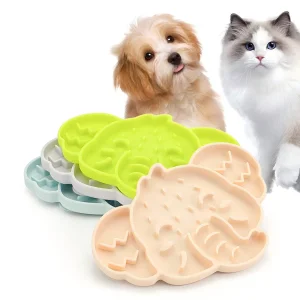
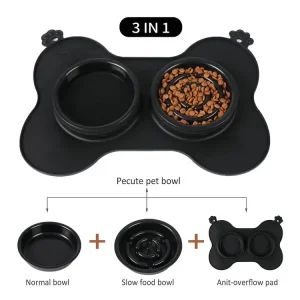
Optimized non-slip solutions specifically scaled for Japan's residential architectures, multi-pet households, and urban lifestyle standards.
Japan's pet industry is experiencing unprecedented premiumization, localized around the concept of "Pet Humanization" (ペットの人間化). In a society characterized by urban vertical living—where metropolitan hubs like Tokyo, Osaka, and Nagoya feature compact apartments with highly sensitive flooring—pet products must be designed with absolute spatial, chemical, and structural consideration.
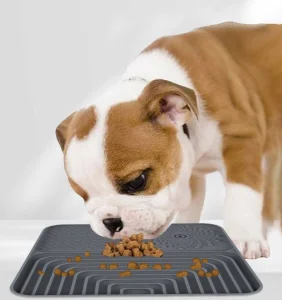
The demand for non-slip slow feeders has spiked remarkably due to two core factors: the predominance of smooth engineered flooring (which poses hip dysplasia risks for small dog breeds like Toy Poodles, Pomeranians, and Chihuahuas) and the demographic shift towards aging pets requiring elevated digestional comfort. Smooth floors offer no resistance, causing standard plastic bowls to skate across the room as dogs feed. By engineering a heavy-duty, food-grade suction base or specialized non-skid silicone base, we eliminate feeding stress and physical strain.
Every production run complies strictly with the Japan Food Sanitation Law (JFSL) Article 16, verified by SGS/TUV testing.
Specially arrayed micro-suction matrix bases offer high shear force resistance, ensuring absolute stability on tatami-adjacent vinyl and solid wood.
Why structural geometry and polymer physics dictate digestive efficacy and kitchen safety.
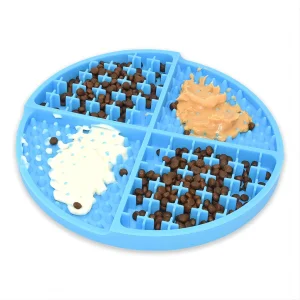
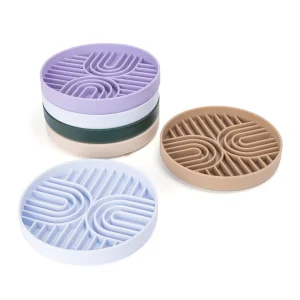
Rapid ingestion (gulping) is a major catalyst for GDV (Gastric Dilatation-Volvulus) and postprandial regurgitation. Our maze profiles are numerically optimized to restrict excessive tongue-scooping action without causing localized dental friction, increasing intake duration up to 10x.
Our engineering team utilizes silicone ranging between 50A to 70A Shore hardness. This offers the ideal balance: soft enough to prevent micro-abrasions on pet snouts and tongues, yet rigid enough to hold structural maze wall profiles against aggressive chewing.
Under humid climates or variations in flooring temperatures (especially with floor heating systems common in modern Japanese condominiums), standard PVC suctions harden and fail. Our platinum-cured liquid silicone bases retain flexible memory down to -40°C and up to 230°C.
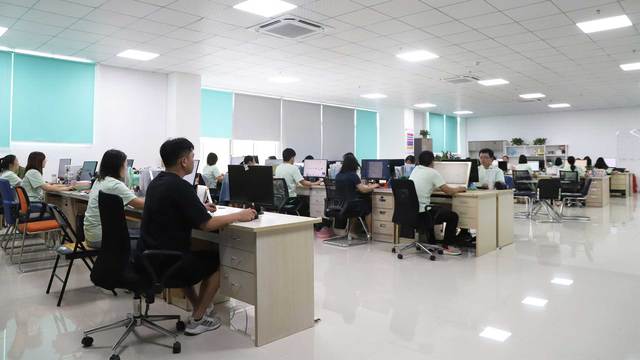
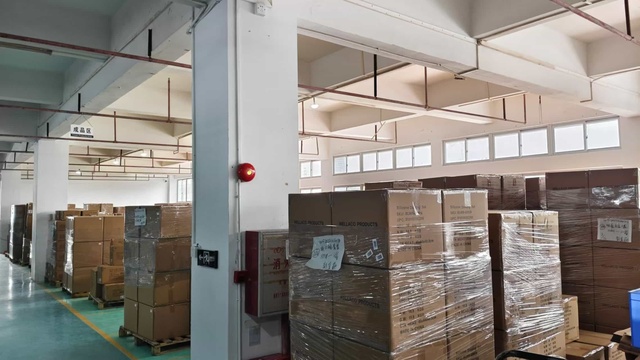
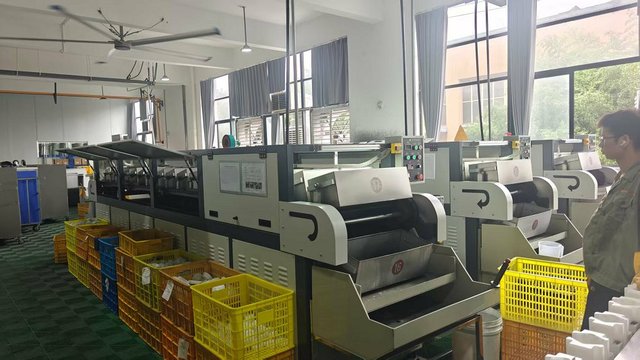
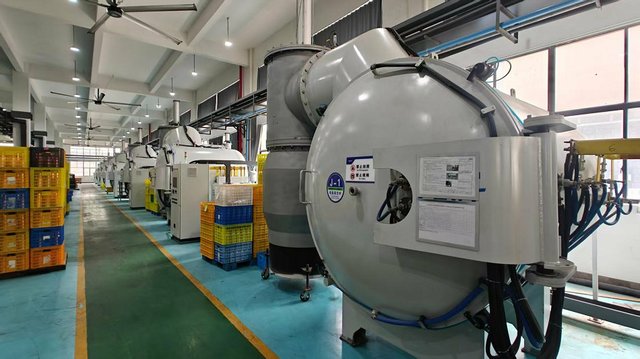
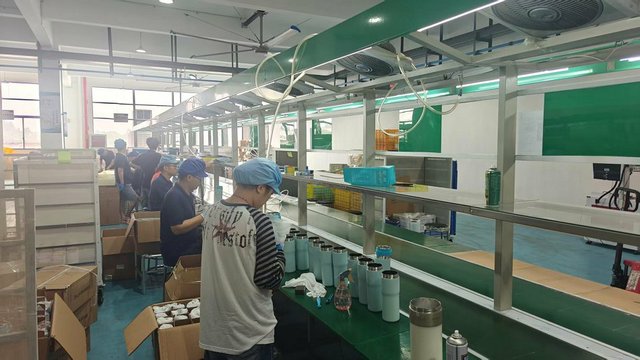
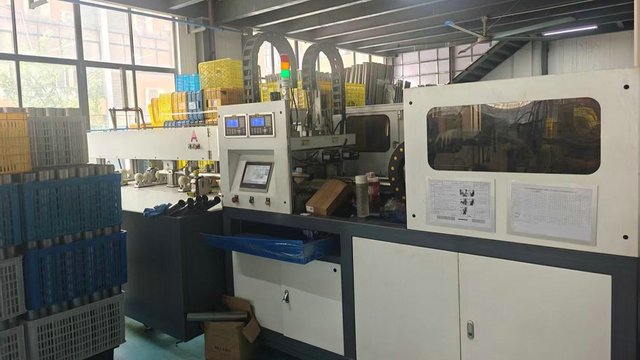
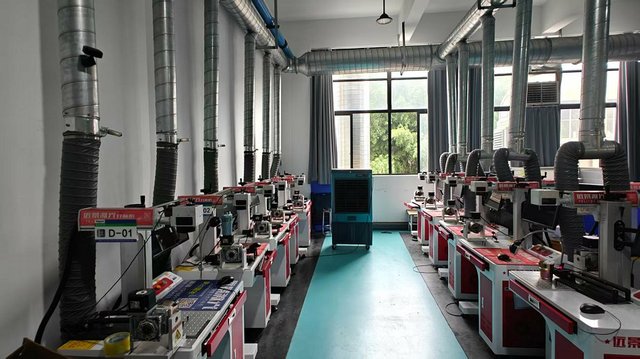
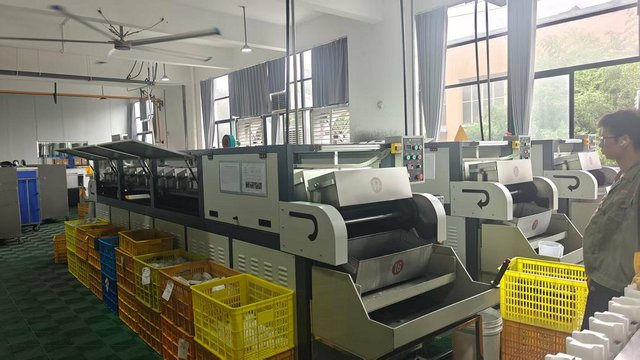
Located in the deepwater port city of Qingdao, Qingdao Croi Pet Co., Ltd. leverages a highly modernized manufacturing campus integrated with smart injection molding machinery, automated vulcanization, and real-time ERP material tracking.
Our geographical proximity to major shipping lines ensures that orders destined for Japan (Kobe, Osaka, Yokohama, and Tokyo) benefit from short transit times, minimized ocean freight costs, and frictionless customs processing under RCEP. We manage the entire lifecycle in-house—from compound blending, tooling, and post-curing to cleanroom packaging.
Every slow feeder undergoes double post-curing stages at 200°C to eliminate residual volatile organic compounds (VOCs). This step is non-negotiable for entering premium Japanese retail chains, where chemical odor controls are subject to rigorous testing.


Clear, authoritative insights addressing procurement, chemical compliance, and OEM/ODM customization loops.
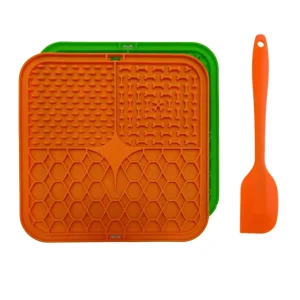
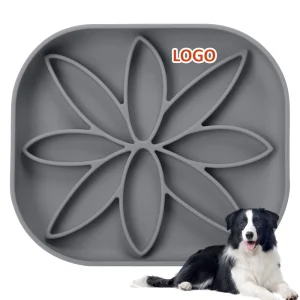
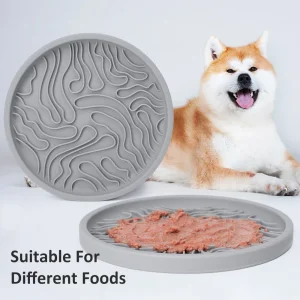
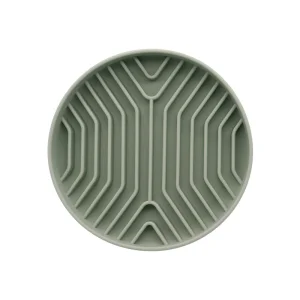
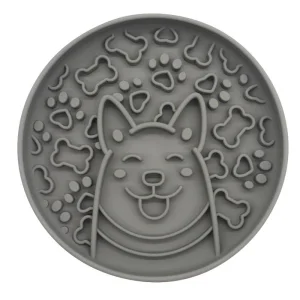
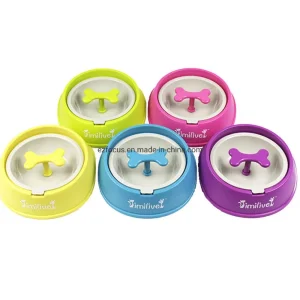
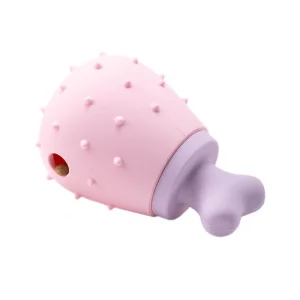
Explore our diverse lineup, featuring various materials, custom shapes, and complex interactive maze profiles.
 Croi Pet