Croi Pet


The Pet Economics of Ho Chi Minh City: A Growing Landscape for Premium Pet Accessories
Ho Chi Minh City (HCMC), the commercial heartbeat of Vietnam, is undergoing a profound structural shift in its pet ownership demographics. Driven by a rising middle class, urbanization, and a transition from functional pet-keeping to complete "pet humanization," Saigon has emerged as the most lucrative market for premium pet accessories in Southeast Asia. This shift is particularly visible in urban centers such as District 2 (Thao Dien), District 7 (Phu My Hung), and Binh Thanh District, where high-density condominium living necessitates indoor pet care management tools.
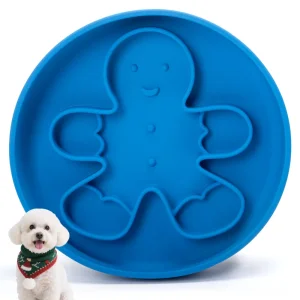
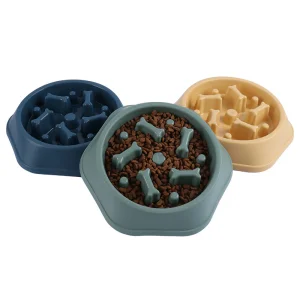
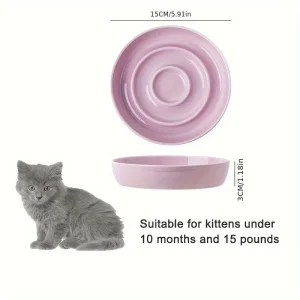
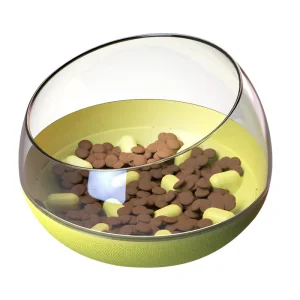
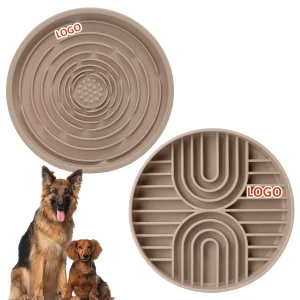
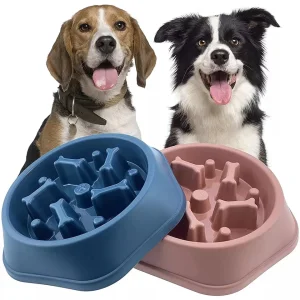
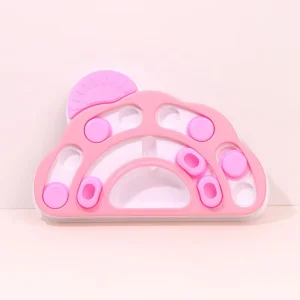
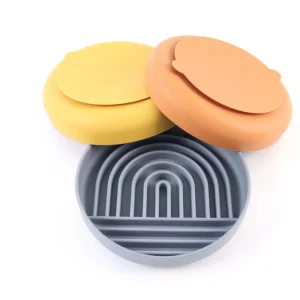
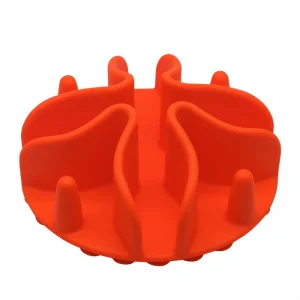
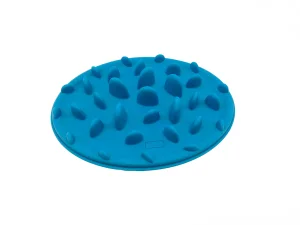
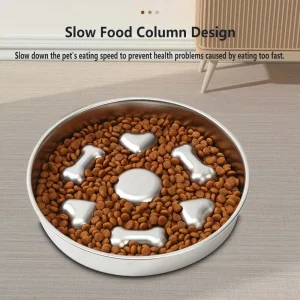
One of the chief challenges of indoor pet keeping is metabolic and digestive health. As pet owners transition from feeding table scraps to high-density dry kibble and rich wet foods, clinical issues such as canine Gastric Dilatation-Volvulus (GDV)—commonly known as bloat—feline regurgitation, obesity, and acute choking have risen significantly. Veterinary clinics across Saigon are increasingly prescribing preventative feeding gear to combat these issues. Among these solutions, Spiral Maze Slow Eating Bowls have transitioned from a niche therapeutic novelty to a mainstream retail necessity.
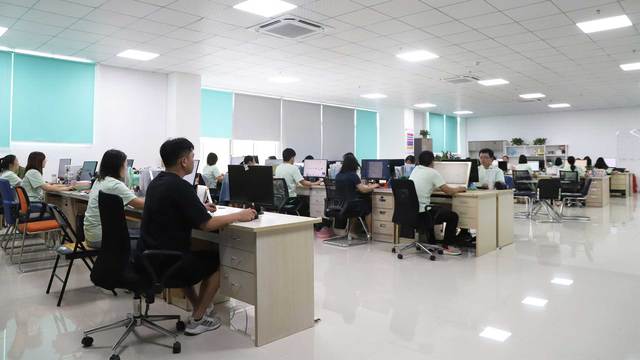
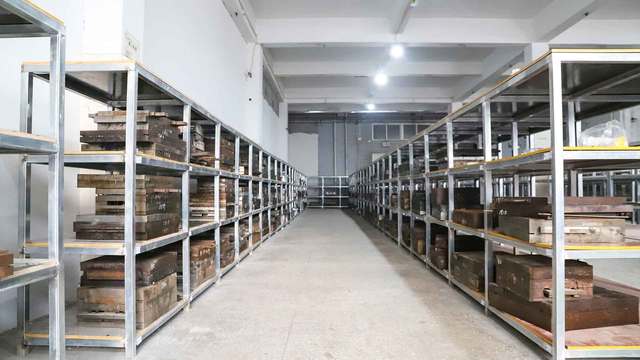
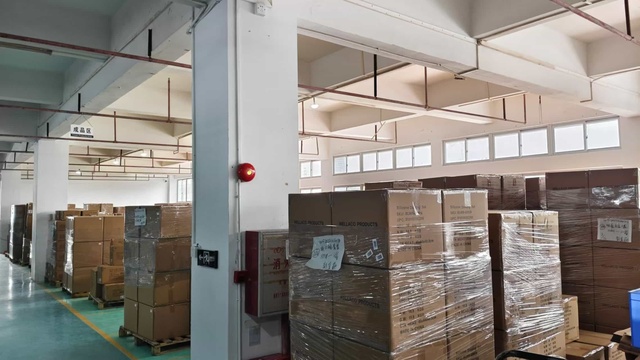
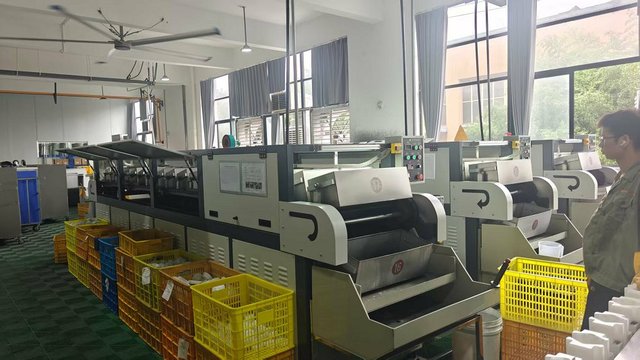
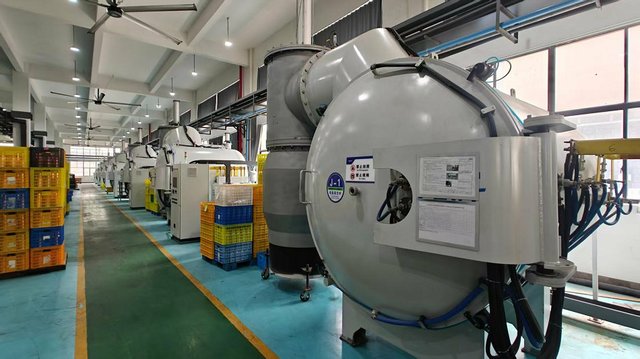
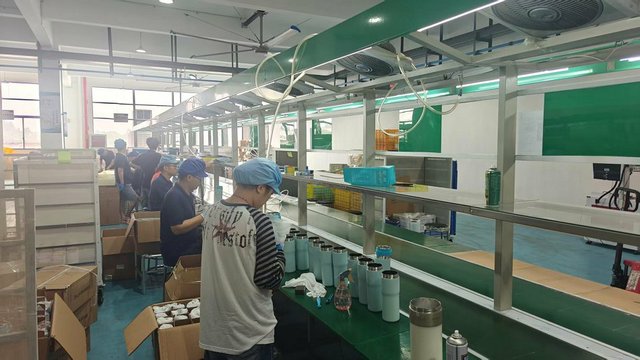
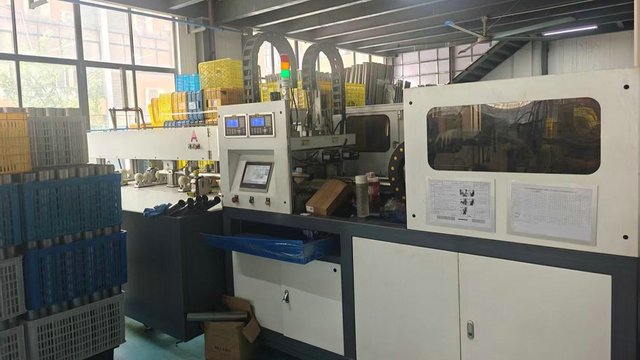
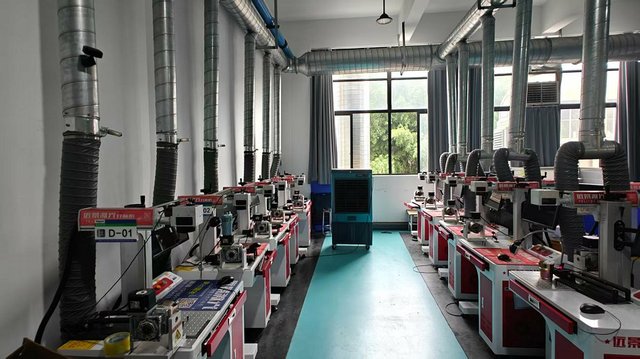
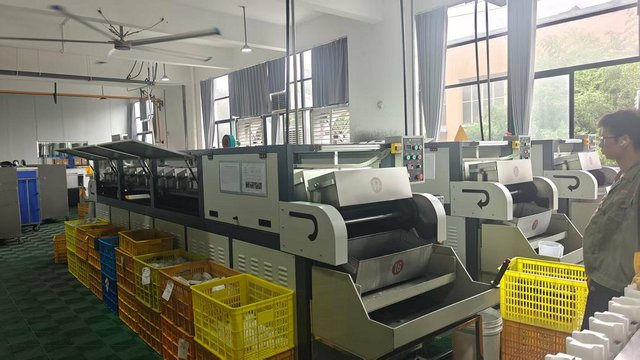
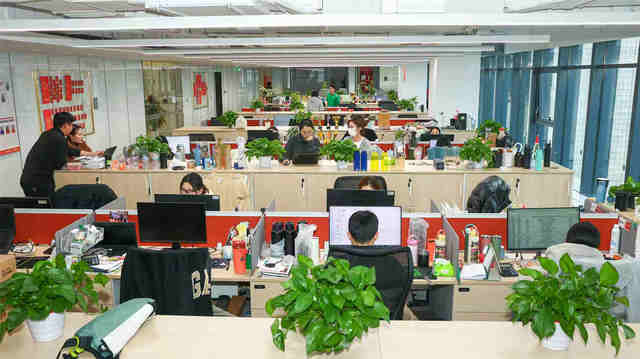
For B2B buyers, pet franchise chains, and online distributors catering to the HCMC market, securing a reliable, cost-efficient manufacturing pipeline for these complex orthopedic and slow-feeding designs is critical. This whitepaper analyzes the commercial dynamics of importing premium slow-feeding systems from specialized Chinese manufacturing clusters, specifically highlighting the operational capacities of Qingdao Croi Pet Co., Ltd., to satisfy Saigon's growing retail demands.