Engineered slow feeding structures designed for large breeds to reduce eating speed and support gastric health.
Analyzing key shifts in commercial design, veterinary alignment, and global procurement behavior.
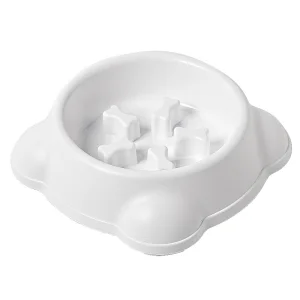
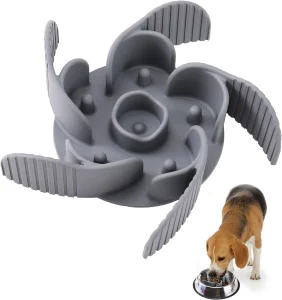
Modern pet owners and veterinary practitioners are increasingly aware of the dangers associated with rapid consumption in large and giant breeds. Diseases like Gastric Dilatation-Volvulus (GDV), commonly referred to as bloat, present a significant mortality risk. High-capacity slow feeders designed by manufacturers like Qingdao Croi Pet Co., Ltd. incorporate customized internal mazes that slow down food intake by up to 500%, mitigating air swallowing and supporting proper enzymatic breakdown.
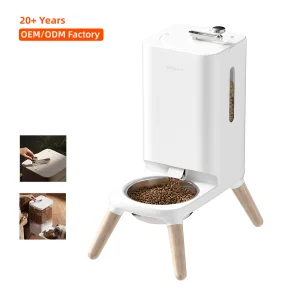
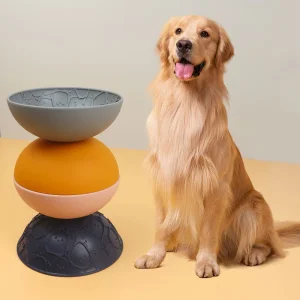
Large breeds such as Great Danes, Golden Retrievers, and German Shepherds face structural strain when feeding at floor level. There is a strong surge in demand for adjustable, elevated feeding platforms. B2B buyers are moving away from single-molded plastic bowls toward multi-material units combining durable steel legs, natural bamboo, or heavy-duty food-safe polymers with integrated anti-slip silicone components.
Global procurement regulations have shifted towards absolute transparency. Leading consumer markets in North America and Western Europe demand certifications demonstrating the complete absence of BPA, phthalates, and heavy metals. Materials must meet strict FDA and LFGB requirements. This shift has driven growth for premium silicone-based feeders and marine-grade 304 stainless steel solutions.
The structural physics behind slow-feed systems and their physiological impact on large dogs.
Large dogs ingest large quantities of dry kibble quickly, resulting in postprandial gastric expansion. Our manufacturing philosophy centers on scientific barrier geometries. By using complex 3D spirals, concentric circles, and multi-compartment mazes, our designs require dogs to use their tongues to extract individual kibble pieces, simulating natural foraging behavior.
Additionally, slow eating promotes salivation, which contains crucial digestive enzymes. This breaks down carbohydrates prior to entering the stomach, optimizing nutrient absorption. For senior large dogs with arthritis or joint disease, elevated slow feeding structures reduce neck tension and minimize spinal stress, offering immediate orthopedic benefits.
| Design Element | Mechanical Benefit | Physiological Outcome |
|---|---|---|
| 3D Maze Geometries | Restricts direct mouth gulping | Increases feeding time by 5-10x |
| Weighted Non-Slip Bases | Prevents tipping and sliding | Eliminates feeding stress and anxiety |
| Ergonomic Elevation | Adjusts feeding height for giant breeds | Reduces skeletal and joint strain |
| Licking Surface Textures | Stimulates endorphin release | Calms nervous or hyperactive dogs |
"Implementing a high-resistance slow feeder is the primary non-surgical intervention recommended by veterinarians to decrease the risk of acute gastric torsion in deep-chested large breeds."
Discover how Qingdao Croi Pet Co., Ltd. integrates advanced tooling, injection molding, and strict QA protocols.
Located in the coastal manufacturing hub of Qingdao, China, our facility leverages access to advanced raw materials, specialized logistics networks, and skilled production engineers. We operate high-performance injection molding machines and automated food-grade silicone vulcanization systems capable of scaling production up to millions of units annually.
As a leading Slow Feeder Dog Bowl Manufacturer and China pet feeding innovation factory, Qingdao Croi Pet Co., Ltd. specializes in advanced, anti-gulp pet feeding solutions designed to improve digestion, prevent choking, and support healthy eating habits. We focus on manufacturing functional, safe, and durable feeding products for global pet brands, wholesalers, and OEM/ODM partners.

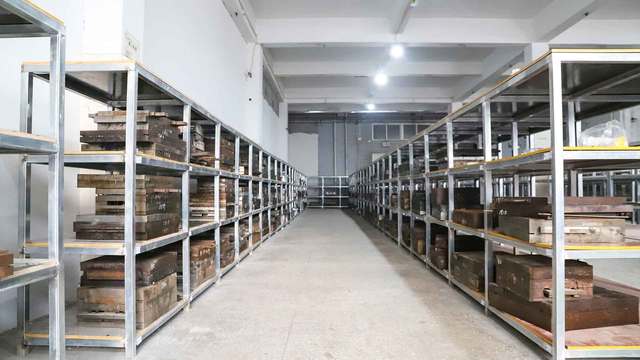
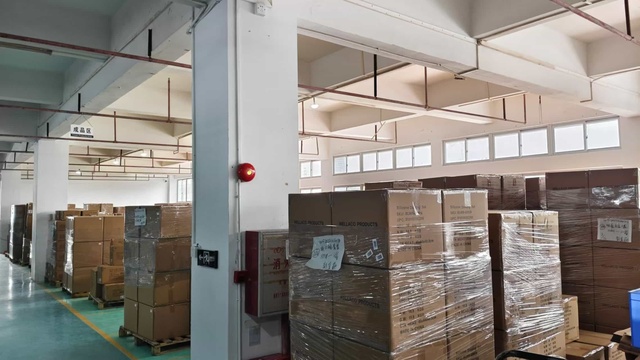
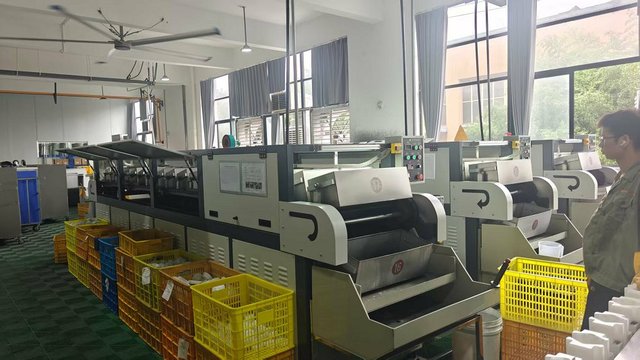

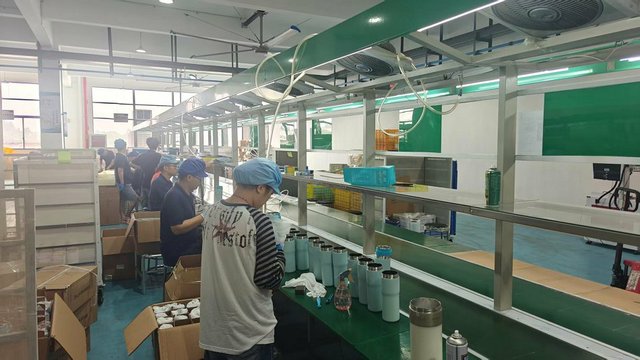
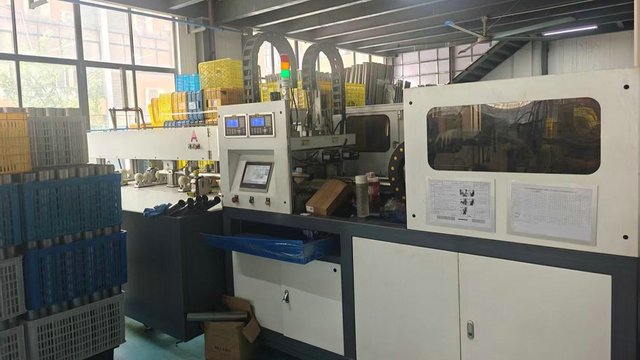
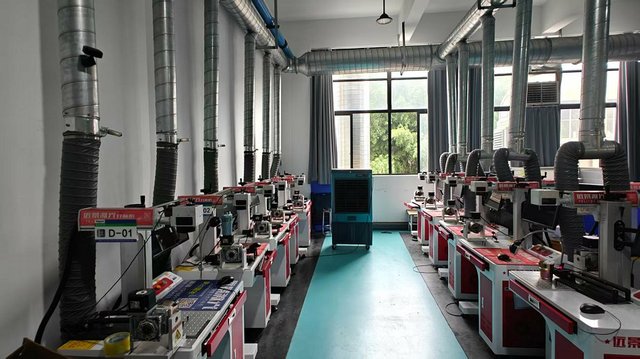
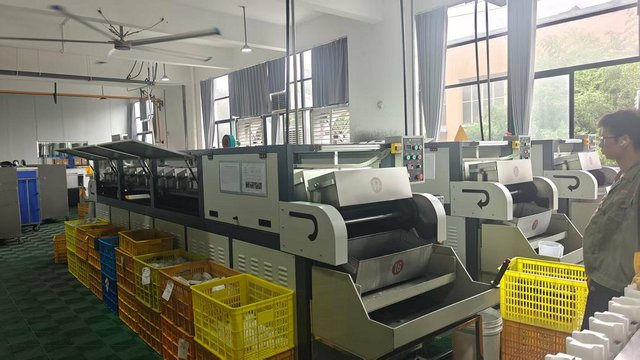

From structural sketch design and 3D prototyping to custom mold development, logo printing, packaging design, and private label solutions, we provide comprehensive manufacturing services tailored to help brands maintain their competitive edge.
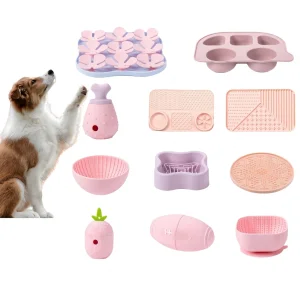
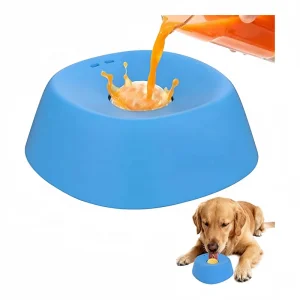
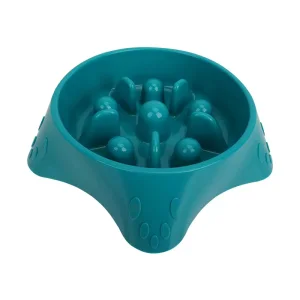
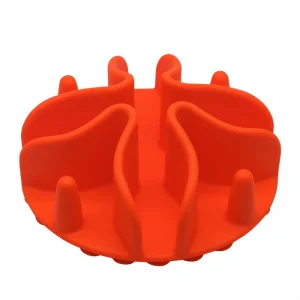
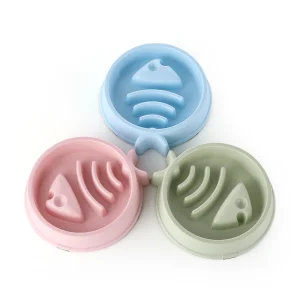
Our standard and custom catalogs cover maze-pattern feeding bowls, spiral slow feeders, elevated anti-gulp feeding systems, non-slip slow feeding dishes, puzzle-integrated bowls, multi-compartment feeding trays, silicone slow feeding mats, stainless steel slow feeders, and adjustable difficulty designs.
Our products are exported to North America, Europe, Australia, and Southeast Asia, where they are widely recognized for their functionality, safety, and innovative feeding designs.
A technical guide for procurement directors to evaluate raw material options for large breed pet products.
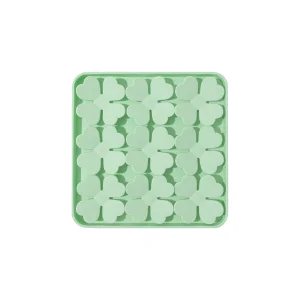
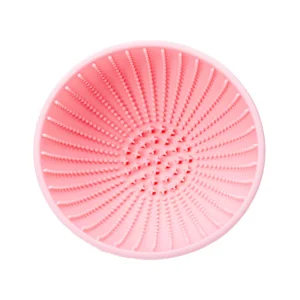
Ideal for slow feeding mats, travel bowls, and flexible inserts. Silicone provides superior non-slip properties, high temperature resistance (ideal for hot dishwashers), and is extremely gentle on the dog's snout. It has a high tear-strength profile, making it a safe choice for heavy chewers.
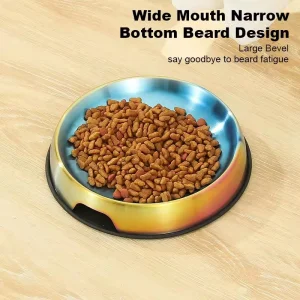
The standard material for durability and hygiene. It resists bacteria growth, prevents scratching, and is heavy enough to remain stable. When designed with an integrated center obstacle or a custom slow-feed center, stainless steel provides an elegant solution for modern households.
Enables complex, intricate maze designs that are difficult to replicate in metal. High-grade polymers provide structural rigidity, allow for custom colors, and remain cost-effective at scale. We treat these materials with anti-microbial coatings to prevent bio-film buildup.
How our feeding products perform in different operational environments.
In busy, high-stress kennel environments, dogs tend to eat quickly due to excitement or resource guarding. Our weighted, non-tip slow feeders prevent spills and minimize cleanup time, while keeping dogs occupied to reduce stress-induced barking.
Our feeding systems help establish balanced meal times in multi-pet homes. Utilizing slow-feeder inserts and licking mats keeps fast-eating dogs engaged, allowing slower-eating pets to finish their meals without disruption.
Post-surgery dogs, especially those recovering from orthopedic procedures or abdominal surgeries, require low-activity routines. Slow feeding and licking mats provide mental stimulation, reducing the need for excessive physical exercise during recovery.
Clear, direct answers regarding customization, testing, certification, and shipping logistics.
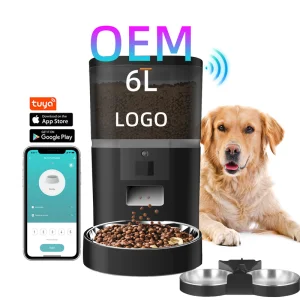
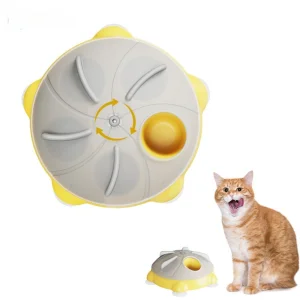
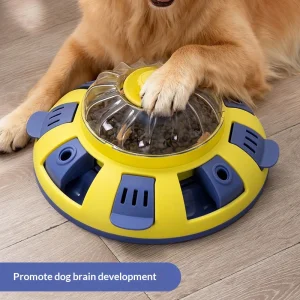
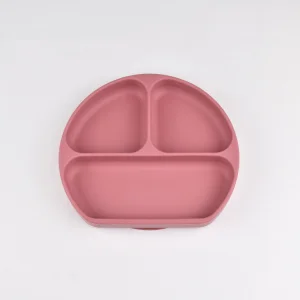
Advanced interactive and slow feeding configurations designed for mental stimulation and portion control.
 Croi Pet