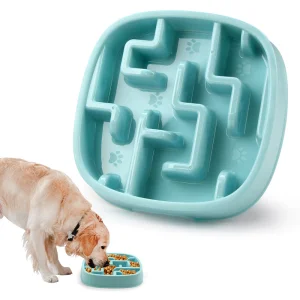
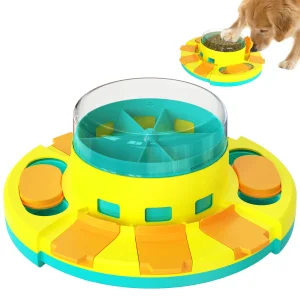
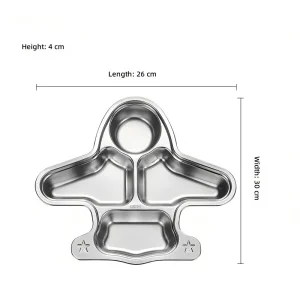
Explore our leading selection of engineered pet feeding solutions designed to slow down rapid ingestion, prevent slip accidents, and improve overall digestion.
How non-slip design and slow-release architectures are driving double-digit growth in global pet care markets.
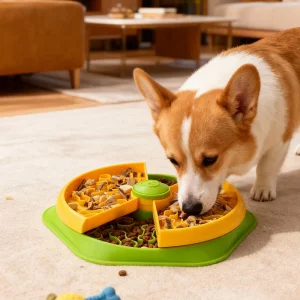
Rapid feeding causes aerodynamic aerophagia (air swallowing) in both canines and felines, leading directly to Gastric Dilatation-Volvulus (GDV)—commonly referred to as canine bloat. By implementing intricate mechanical pathways, maze-patterns, and targeted textured elements, modern non-slip feeding accessories effectively extend feeding duration by up to 300% to 500%, shifting pet feeding behavior from rapid gulping to controlled foraging.
Global consumer demand is transitioning away from standard low-cost plastics toward premium sustainable polymers. Today's market leaders utilize 100% food-grade silicone (platinum-cured), eco-friendly bamboo fiber, heavy-duty melamine, and high-impact ABS. All materials must meet rigid international certifications (including FDA, LFGB, and REACH) to ensure no hormonal disruptors (BPA, Phthalates) leach into pet food over prolonged use cycles.
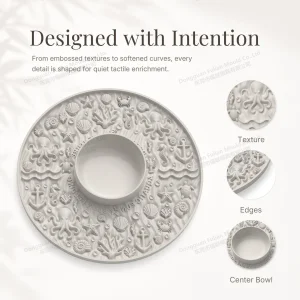
Anti-skid capability is not merely a convenience feature—it is vital for preventing joint strain and anxiety during meals. Integrating thermoplastic elastomer (TPE) co-molded bases, dual-injection suction cups, and weighted non-tip geometries prevents pet feeders from sliding across smooth tile or hardwood flooring, minimizing food spillage and keeping the dining environment sanitary.
Understanding the technical specifications, quality control metrics, and regulatory requirements that define market-ready products.
In the highly competitive pet supplies market, international distributors, pet supermarket chains, and major online retail companies face substantial risks if their products fail safety compliance. To build long-term brand equity, sourcers must thoroughly examine a factory’s manufacturing ecosystem. A standard plastic pet bowl is no longer viable in markets demanding high-durability, toxin-free, and dishwasher-safe solutions.
A reliable supplier must provide extensive manufacturing transparency. This includes raw material traceability, third-party chemical analysis certificates, and physical stress-testing metrics. With the rising popularization of the humanization of pets, modern consumers expect pet products to match human culinary safety standards.
| Material Category | Key Testing & Certifications | Ideal Application Scenario | Primary Industrial Advantages |
|---|---|---|---|
| Platinum-Cured Silicone | FDA, LFGB, RoHS, BPA-Free | Flexible Licking Mats, Foldable Bowls | High heat resistance, dishwasher safe, exceptional suction capability |
| Food-Grade ABS / PP | REACH, EN71, FDA | Complex Maze Bowls, IQ Puzzle Feeders | Impact resistance, highly detailed structural molding, low weight |
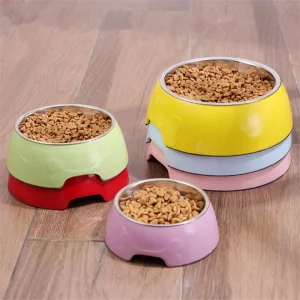
| Premium Melamine | EU Regulation 10/2011, FDA | Heavy Non-Tip Bases, Double Bowls | Ceramic-like finish, heavy deadweight, scratch resistance, durable |
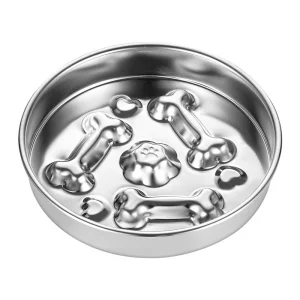
| 304 Stainless Steel | NSF 51, FDA Food Grade | Dual-Layer Hygienic Bowls | Inherent anti-microbial properties, corrosion proof, lifelong durability |
Beyond material purity, modern importers must pay close attention to Factory Compliance Audits. Top-tier manufacturers typically undergo annual inspections by independent global registries, demonstrating compliance with BSCI (Business Social Compliance Initiative), SEDEX (SMETA), and ISO 9001:2015 standards. These certifications ensure that products are manufactured under ethical labor conditions, with standardized environmental protocols, and under systematic process-driven quality controls.
Exploring how advanced automation, precision mold design, and regional industrial clustering keep Chinese suppliers leading the global market.
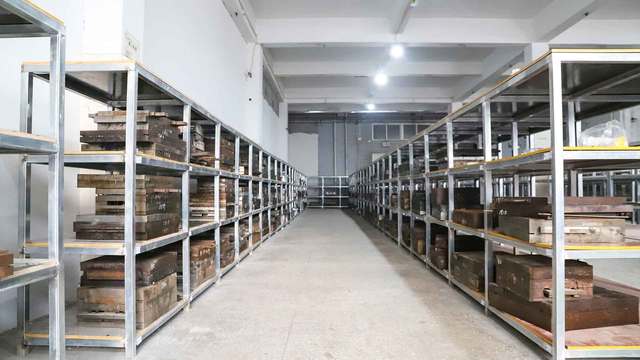
The manufacturing of intricate slow-feeding structures requires advanced CAD/CAM design and ultra-precise injection mold making. China's top-tier manufacturers leverage high-speed CNC machining centers, EDM (Electrical Discharge Machining), and automated robotic arms. This ensures drafts and wall thicknesses are consistently optimized down to the micrometer level. This precision prevents structural defects like warping, flashing, or structural weak points, ensuring the product performs consistently over its lifespan.
Location is a critical cost driver in global trade. Qingdao Croi Pet Co., Ltd. benefits from its strategic location in Qingdao, a major coastal manufacturing hub in China. With direct access to Qingdao Port—one of the largest deepwater container ports in the world—freight transit times are minimized and container loading costs are optimized. The region features a dense, highly specialized ecosystem of raw polymer suppliers, precision mold makers, custom packaging plants, and global freight forwarders, providing unparalleled agile manufacturing capabilities.
A professional China-based manufacturing powerhouse leading innovations in anti-gulp, slow-feeding pet product development.
Qingdao Croi Pet Co., Ltd. is a professional Slow Feeder Dog Bowl Manufacturer specializing in innovative anti-gulp pet feeding solutions designed to improve pet digestion, prevent choking, and promote healthier eating habits for dogs and cats. As a leading China pet feeding innovation factory, they focus on developing functional, safe, and durable feeding products for global pet brands, wholesalers, and OEM/ODM partners.
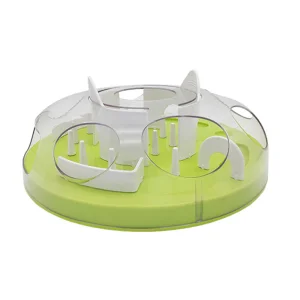
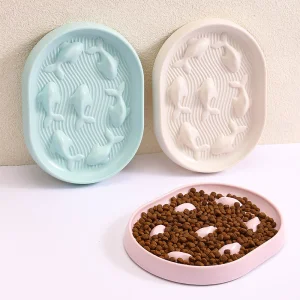
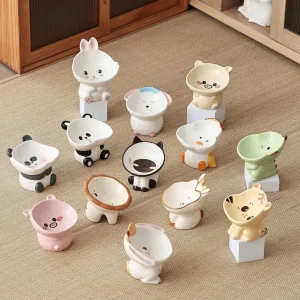
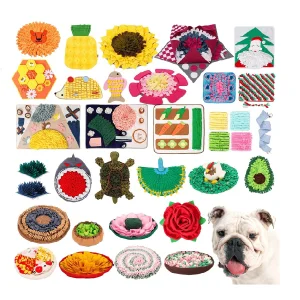
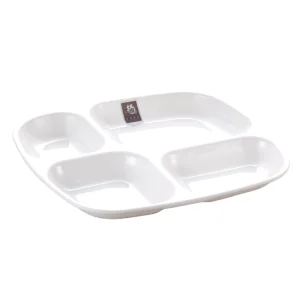
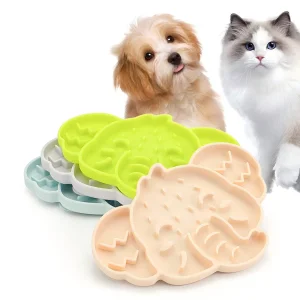
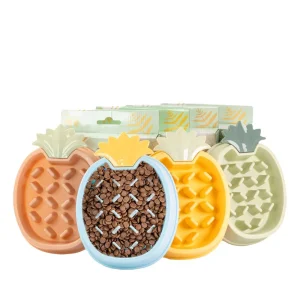
Their expansive product range covers a wide variety of slow feeding solutions, including maze-pattern feeding bowls, spiral slow feeders, elevated anti-gulp feeding systems, non-slip slow feeding dishes, puzzle-integrated bowls, multi-compartment feeding trays, silicone slow feeding mats, stainless steel slow feeders, and adjustable difficulty feeding designs. Each product is engineered to slow down eating speed, reduce bloating, and support long-term digestive health in pets.
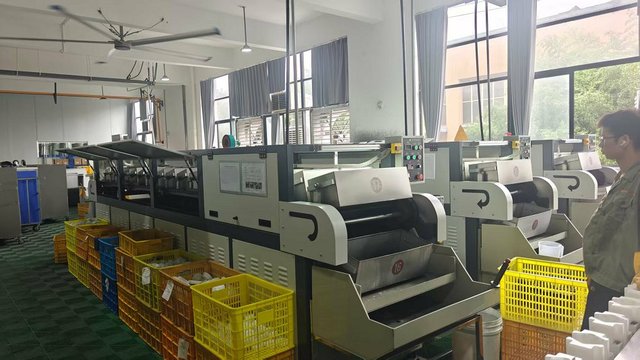
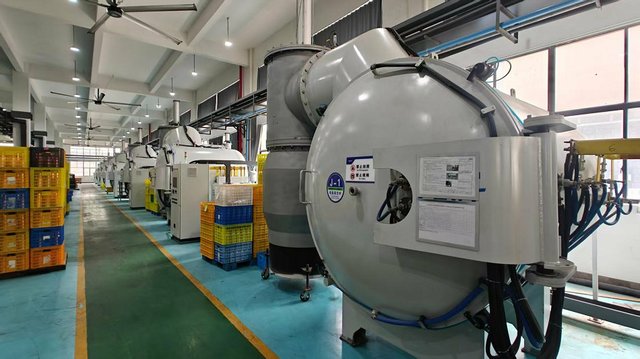
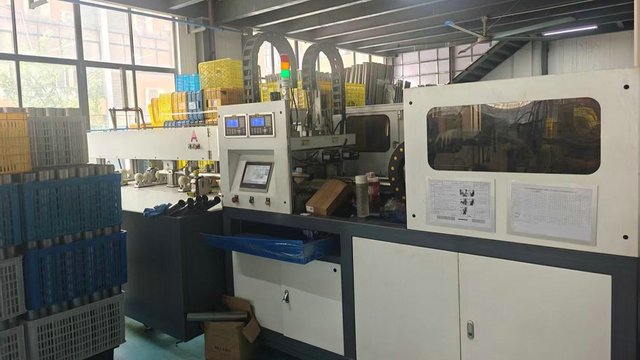
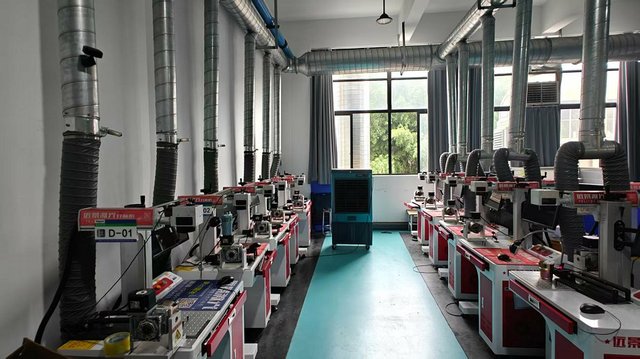
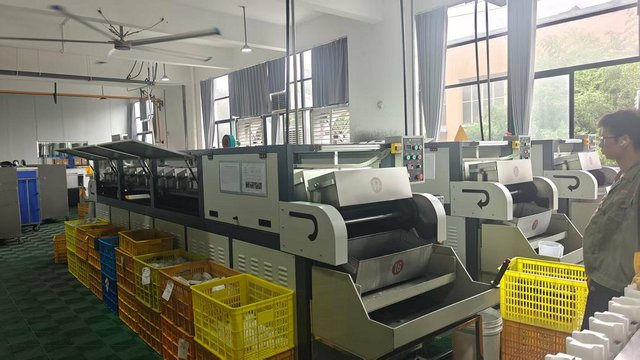
Located in Qingdao, a major coastal manufacturing hub in China, the company's factory is equipped with advanced injection molding machines, silicone processing systems, and precision tooling workshops. They strictly select pet-safe, BPA-free, and food-grade materials to ensure product safety and durability. Every item undergoes strict quality control testing to meet international standards.
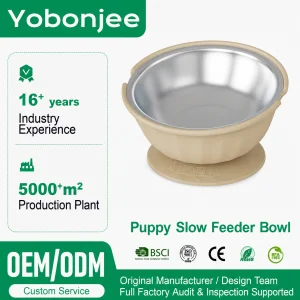
As an experienced OEM/ODM supplier, Qingdao Croi Pet Co., Ltd. provides full customization services, including product structure design, mold development, logo printing, packaging customization, and private label solutions. They support global clients in building competitive pet feeding brands with unique designs and strong market positioning.
Their products are exported to North America, Europe, Australia, and Southeast Asia, where they are widely recognized for their functionality, safety, and innovative feeding design. Driven by innovation and pet health awareness, Qingdao Croi Pet Co., Ltd. is committed to delivering smarter, safer, and more effective slow feeding solutions for pets worldwide.
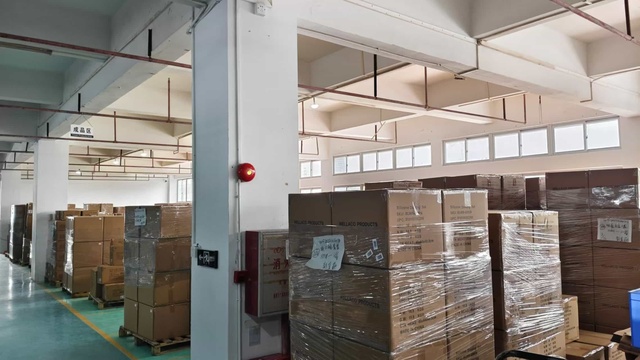
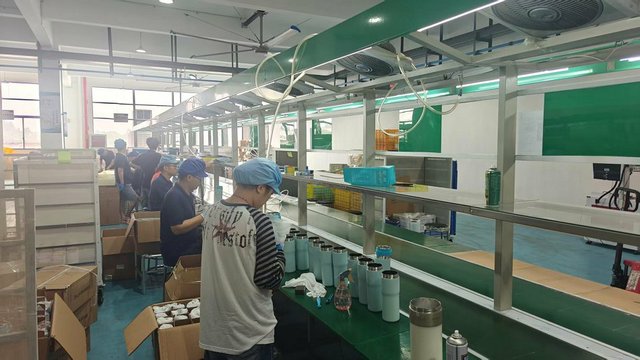
Visual insights into the manufacturing capability, premium raw materials, and finished goods logistics.


Different environments present unique demands. Understanding localized application profiles ensures optimal sourcing decisions.
Urban apartment layouts often feature hardwood, polished concrete, or ceramic tile flooring. Traditional lightweight feeding bowls easily slide across these surfaces, spilling food and water, which can damage floors. The integration of vacuum-suction bases or thick non-slip silicone mats keeps feeders securely in place. This provides a neat, localized dining area and limits messes to easily washable surfaces.
Veterinary boarding settings and recovery clinics require hygienic, anti-skid accessories that can stand up to high-temperature sterilization. Patients recovering from anesthesia, stomach surgery, or with mobility issues need stable feeding plates. Stainless steel non-slip bowls or high-grade silicone mats prevent slipping, helping recovering pets feed comfortably while reducing physical strain.
High-energy environments with multiple dogs require extremely durable, high-impact feeding accessories. Heavyweight non-spill melamine bases and scratch-resistant ABS plastic prevent damage from active chewers. Implementing multi-compartment feeding systems reduces resource guarding and food competition by slowing down individual eating rates.
Discover additional high-durability, food-safe feeding accessories optimized for commercial, domestic, and retail markets.
Crucial technical answers regarding compliance, material performance, custom mold design, and bulk order logistics.
 Croi Pet